Last updated November 23, 2026
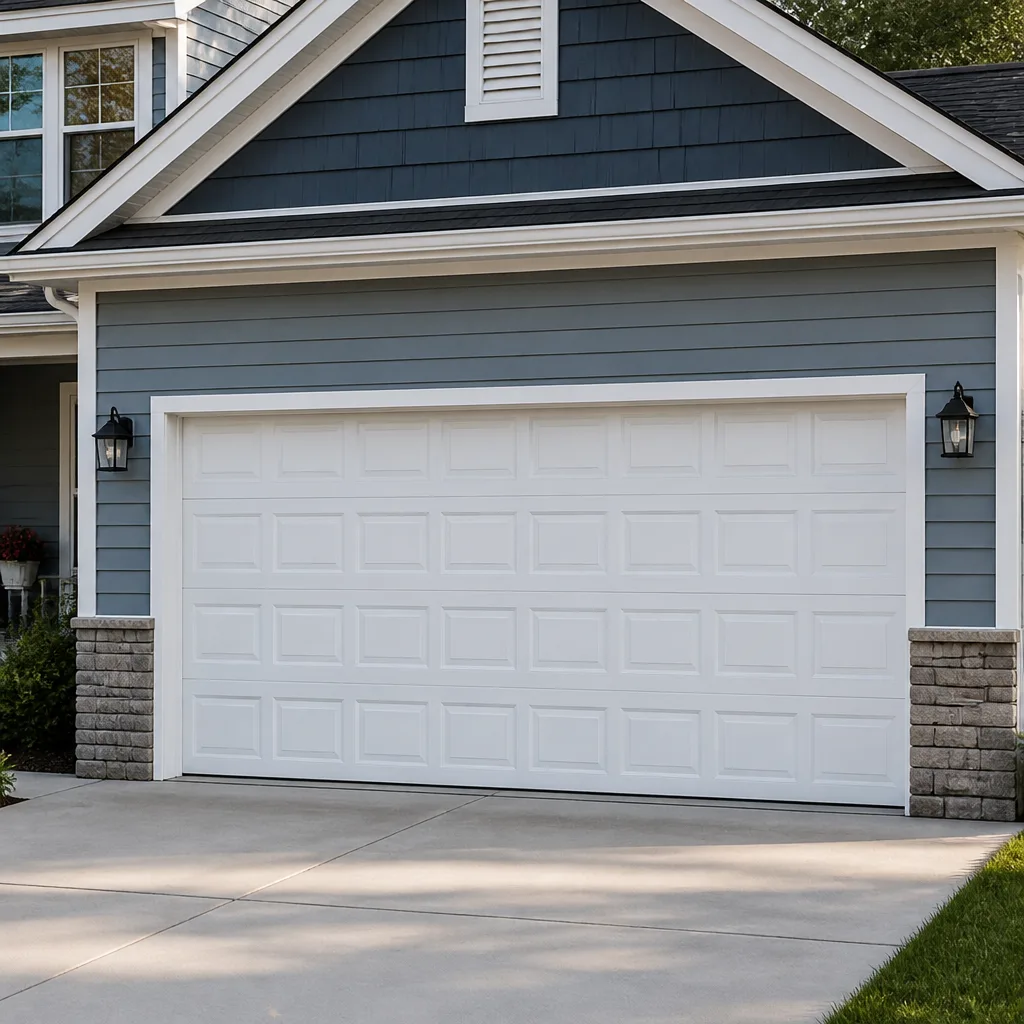 Raised-panel steel
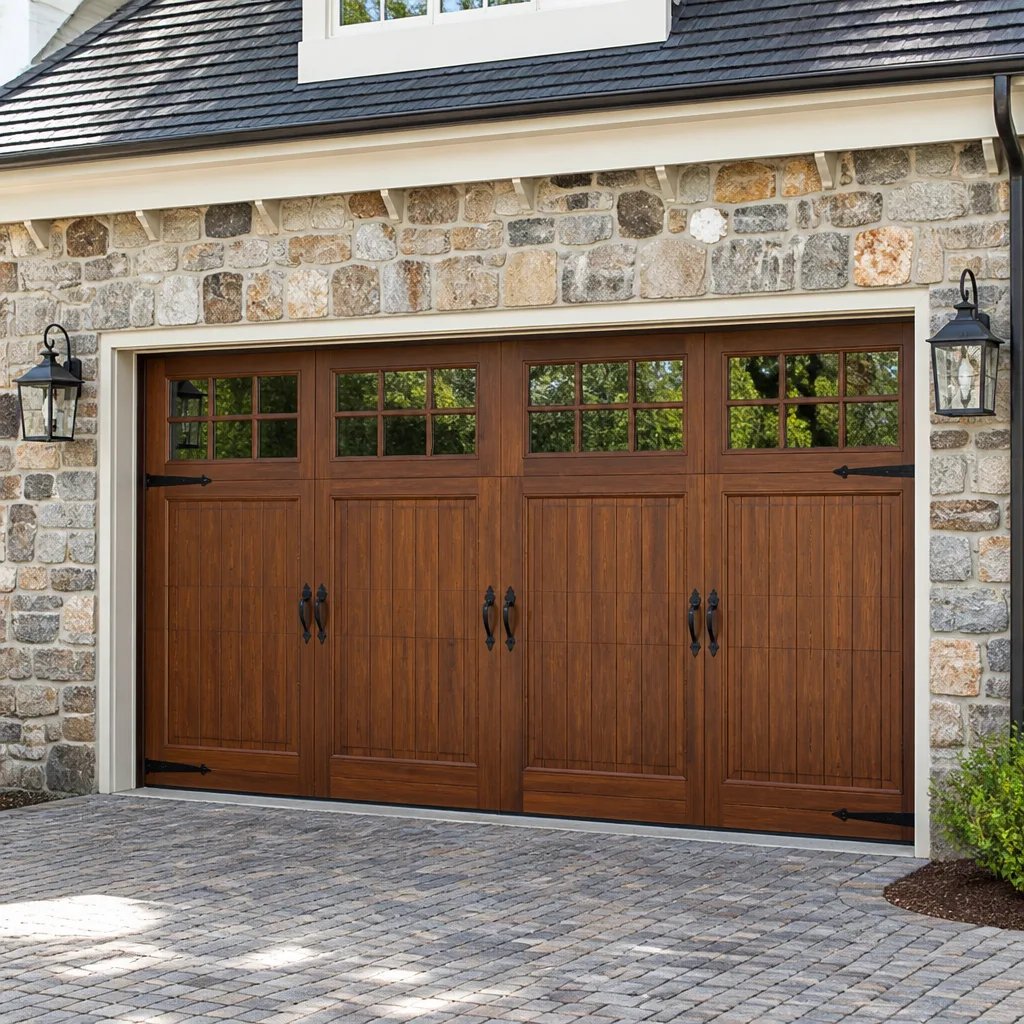 Carriage house
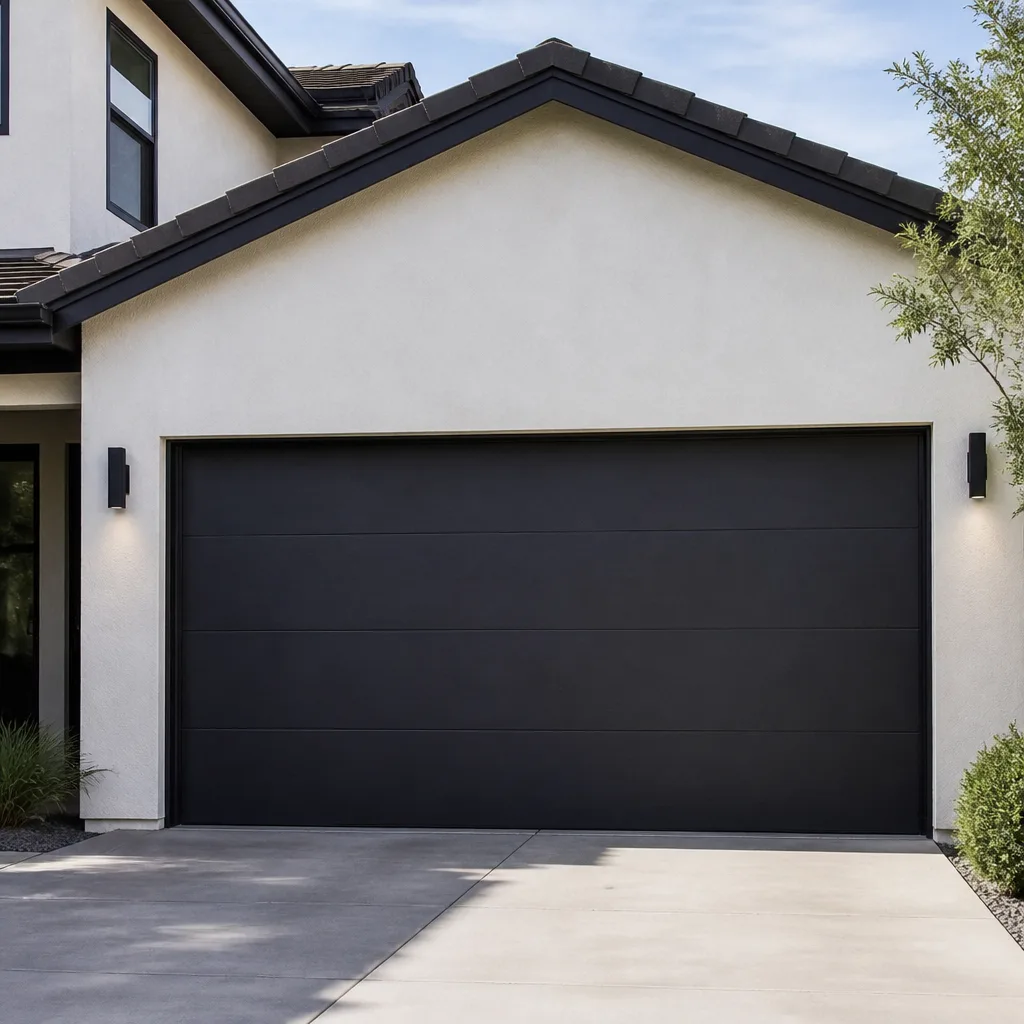 Modern flush
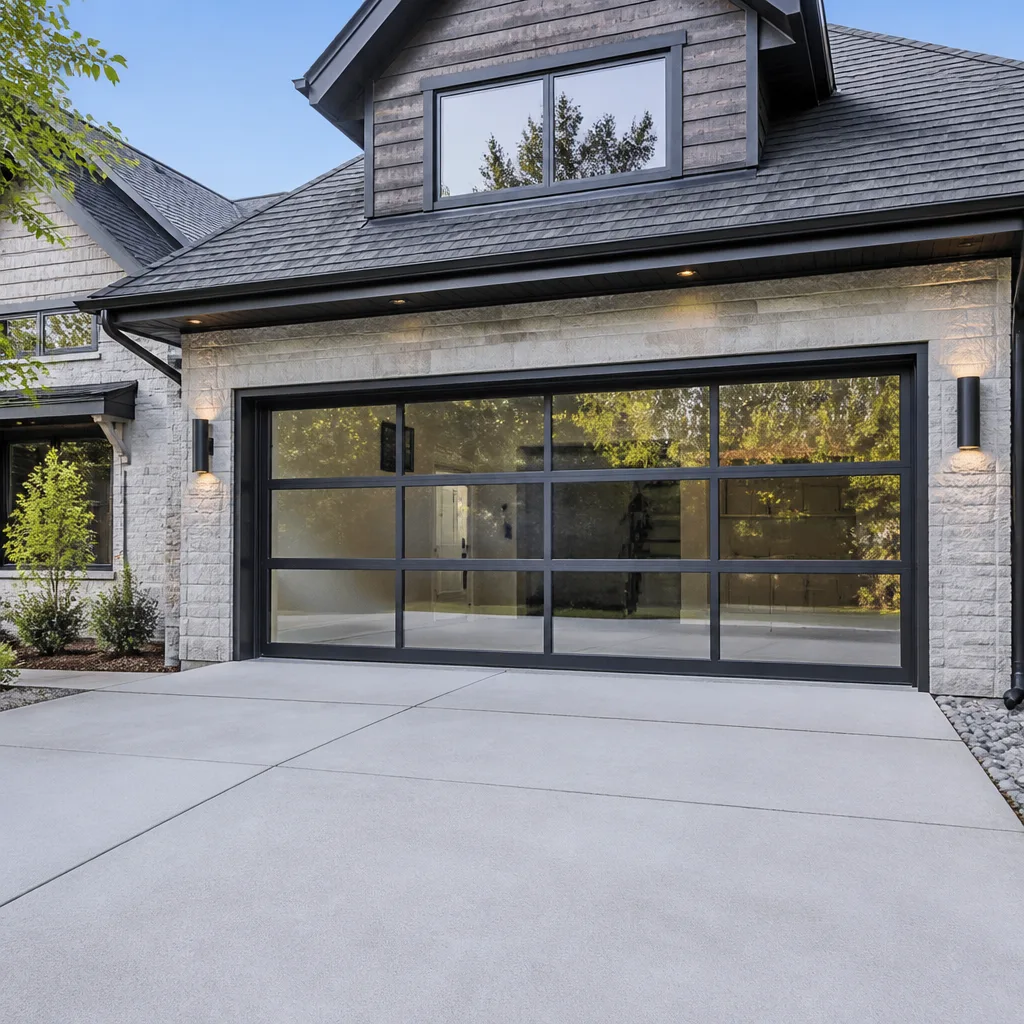 Full-view glass
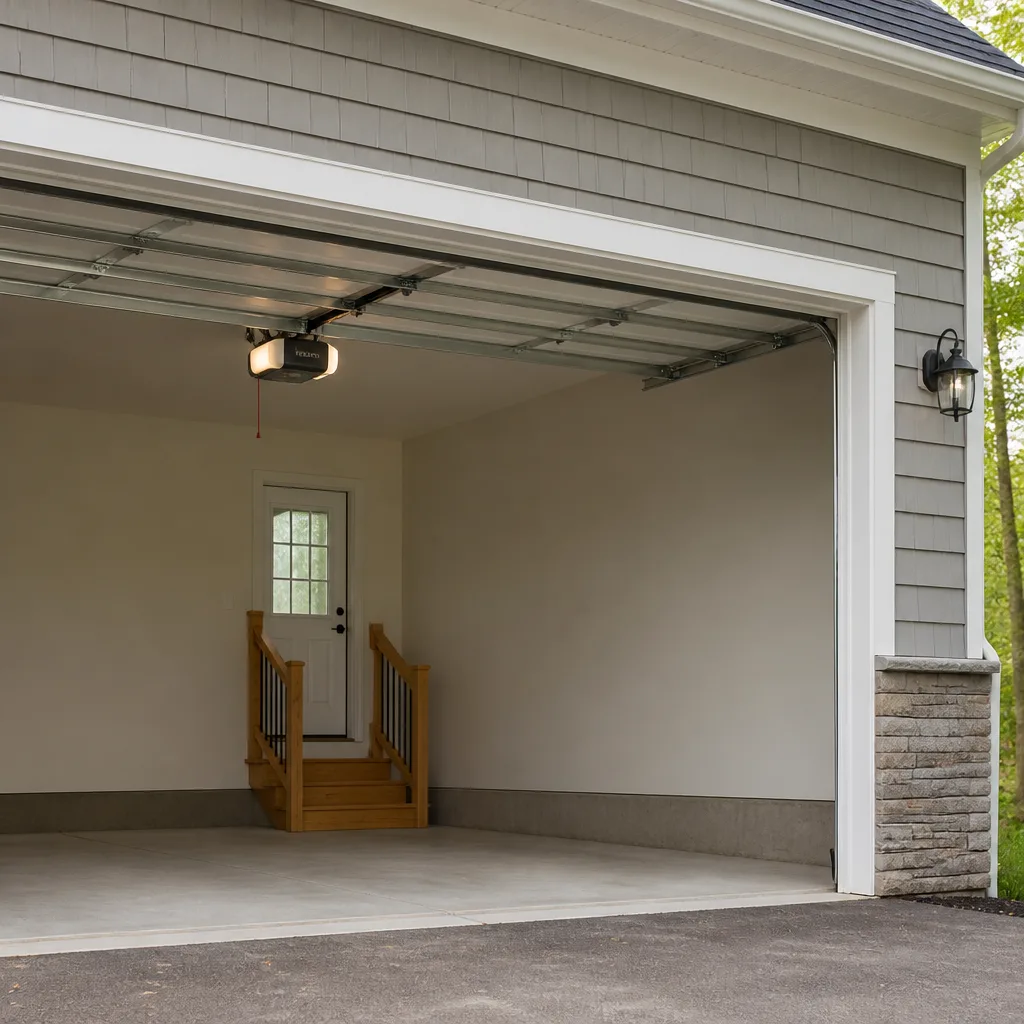 LiftMaster openers
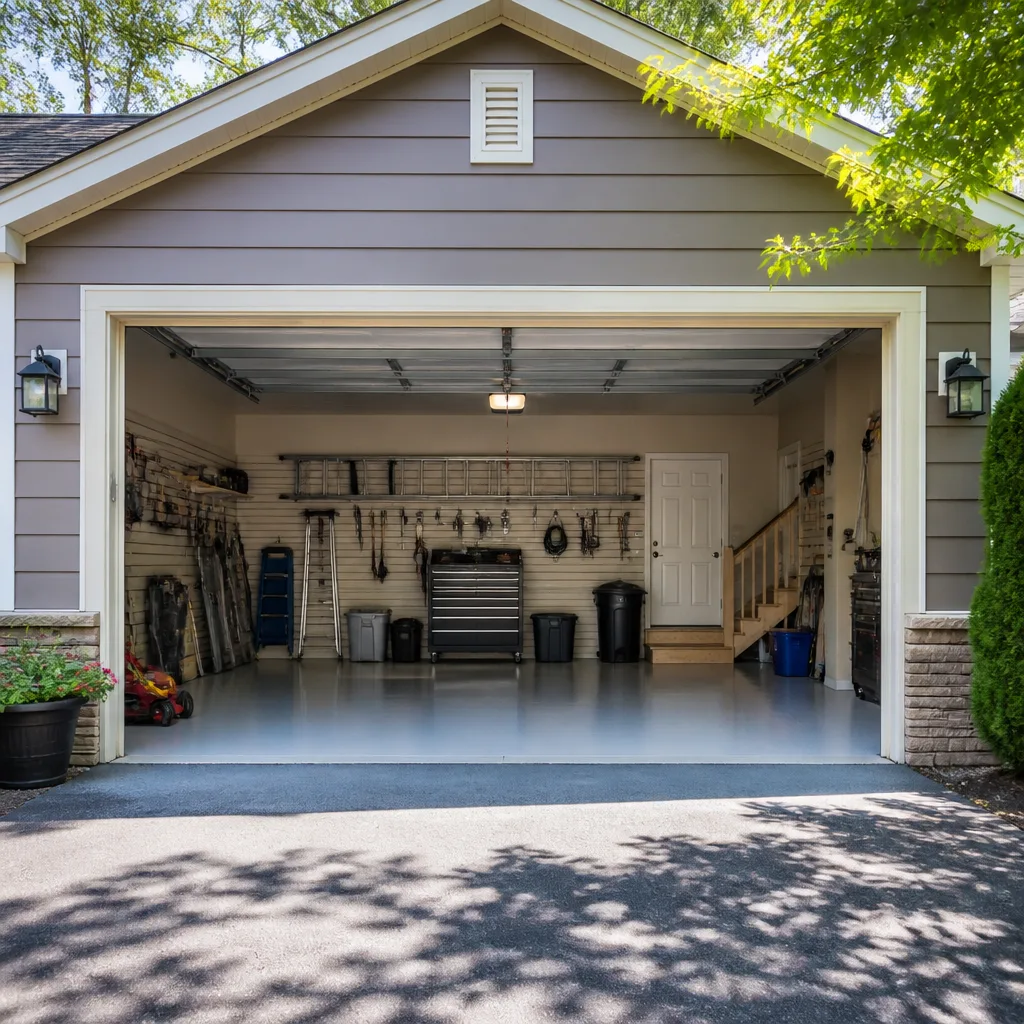 Chamberlain openers
Full 25-point door and opener safety check with every visit - springs, cables, rollers, tracks, and your LiftMaster or Chamberlain opener included
You get a price before we start. It does not change when the pro arrives.
Get your free estimateGarage Door Emergency Preparedness Guide for West Seattle Homes
Most garage door emergencies we hear about aren’t dramatic mechanical failures. They’re stuck doors, dead openers, and one very common discovery: the homeowner has never used the manual release, and the car is parked on the wrong side of it. Winter storms knock out power across West Seattle, cold mornings snap springs that were already tired, and a door left partway open in a rain event turns a small problem into a wet garage. The frustrating part is that nearly all of it is manageable if you know three things before it happens: where your manual release is, what to do (and never do) when a spring is involved, and who to call with the right details. This guide walks through all of it, specific to how homes here are built and where they sit.
Quick Answer
A garage door emergency in West Seattle usually means a disabled opener, a snapped spring, or a door that won’t close. Pull the manual release only when the door is fully closed and no spring is broken, secure the opening if the door won’t shut, and call (866) 937-8026 with your door brand, opener brand, and a description of the symptom so the technician arrives with the right parts. Never attempt to remove or adjust a torsion spring yourself – that work requires trained technicians and proper tools.
Styles & brands we work with
- Raised-panel steel
- Carriage house
- Modern flush
- Full-view glass
- LiftMaster openers
- Chamberlain openers
Table of Contents
- Why Garage Door Emergencies in West Seattle Follow a Pattern
- How the Manual Release Works – and When Not to Use It
- The Four Emergency Scenarios We See Most in West Seattle
- Securing a Door That Won’t Close
- What to Tell Us on the Phone
- Ten-Minute Emergency Prep for Your Garage
- Prevention: What Actually Reduces Emergency Calls
- Common Mistakes to Avoid
- When to Call a Professional
- Frequently Asked Questions
Why Garage Door Emergencies in West Seattle Follow a Pattern
Garage door failures feel random until you’ve worked on enough of them. They aren’t random. In West Seattle, the same handful of conditions line up again and again, and each one points to a predictable failure.
Start with weather. West Seattle gets windstorms that take out power, and when the power goes, the opener goes with it. The door itself is fine. The homeowner just can’t get the car out. Next comes cold: springs are under constant tension, and the coldest mornings of the year are when tired springs finally give. Then rain. A door stuck open during a steady December rain soaks whatever’s inside, and a door that won’t quite close lets water track across the floor every time the wind shifts.
Housing stock plays a role too. West Seattle has a lot of older detached and attached garages, many with original openers that were installed with the house and never updated. A Craftsman opener from decades back still works, right up until a power surge or a worn gear finishes it. And the hillside streets that define neighborhoods like Fauntleroy, Admiral, and Gatewood add a wrinkle most guides ignore: a car trapped behind a dead door often has nowhere legal to park once it’s out, so “just leave it on the street” isn’t always an option.
None of these situations is exotic. All of them are easier to handle when you’ve thought about them five minutes ahead of time instead of at 7am with a carpool waiting.
How the Manual Release Works – and When Not to Use It
Every automatic garage door has a manual release. On most doors it’s a cord with a handle hanging from the trolley that runs along the opener rail. Pulling it disconnects the door from the opener so you can lift the door by hand. That’s the whole mechanism. It takes two seconds. The part people get wrong is when to pull it.
Before you pull the cord
- Close the door fully if you can. A door disconnected while open is dead weight in a raised position with nothing holding it up. Lower it first whenever the door still moves.
- Look at the springs. Torsion springs sit on a shaft above the door; extension springs run along the tracks on either side. If you see a visible gap in a coil, a spring hanging loose, or a door that suddenly feels much heavier than normal, a spring has likely failed. Do not pull the release and do not lift the door. With a broken spring, the door’s weight is no longer balanced, and a door weighing well over a hundred pounds can come down hard.
- Clear the opening. Anything under the door is in the drop zone. So is anyone standing on the wrong side.
- Pull the cord straight down and let the trolley separate. The door should now move by hand – smoothly and with resistance, not easily and not with a crash.
- Lift with both hands and your legs, close to the door’s center, and open it only as far as you need. This is hand work, and a balanced door still takes effort.
- Reconnect by pulling the cord again once the door is closed and the trolley is aligned, then run the opener and check the door reverses correctly.
One more detail that trips people up: on some openers, the trolley re-engages cleanly only when the door is fully closed and the carriage is aligned with the trolley. If pulling the cord again doesn’t reconnect it, don’t force it. Check that the door is fully down and try the opener once. If it still won’t catch, that’s a phone call.
We always recommend knowing where that cord is before you need it. If your garage is packed floor to ceiling, find it now and mark it with a bright zip tie or a piece of tape. That small step is the difference between a two-minute fix and a two-hour wait during a storm.
The Four Emergency Scenarios We See Most in West Seattle
In our experience, nearly every “emergency” call lands in one of four buckets. Knowing which bucket you’re in helps you handle the next ten minutes calmly and helps us plan the visit.
1. Power outage during a windstorm
The opener is dead, the door is down, the car is trapped. The fix is the manual release – as long as no spring is broken. Pull the cord, lift the door by hand, back the car out, lower the door, and leave the door disconnected until power returns. Then reconnect and test. If your opener is a newer LiftMaster or Chamberlain model and you replace the battery in the wall unit, the manual release still works exactly the same way. The opener being smart doesn’t change the mechanical release.
2. Door stuck open in a rain event
A door that won’t close usually means a safety sensor is misaligned or blocked, the track is bent, or the opener has hit its travel limit. Try lining the sensors up first – the small lights on either side of the opening should be steady, not blinking. If not, clear anything in the way and check that neither sensor has been bumped. If the door still won’t close, get it down manually if it’s safe, and if it isn’t, secure the opening (more on that below).
3. Spring failure on a hillside driveway
Plenty of West Seattle homes sit on grades where the driveway meets the street at an awkward angle, and some streets in neighborhoods like Highland Park or Delridge have little or no legal street parking. A car stuck inside a garage on a slope is a different problem than on a flat lot. This is the scenario where calling early matters – tell us your cross street and situation, and we’ll prioritize getting to you. If a spring has failed, do not try to open the door with the release and do not attempt to lift it.
4. Opener failure – mechanical or electronic
The door runs partway and stops, the opener hums but nothing moves, or the remote works from the driveway but not from the kitchen. On a Raynor or a Genie, the diagnosis is different but the logic is the same: is the problem the opener, the drive system, or the door itself? That distinction determines whether you need garage door opener repair or a door-side repair. Don’t keep running a door that’s jamming – that’s how a small fix becomes a big one.
Securing a Door That Won’t Close
When a door won’t close and you can’t get a technician out right away, your problem is an open garage. Practical options, in order of preference:
- Get the door down manually if it’s safe. If the springs are intact, use the manual release, lower the door by hand, and leave it disconnected. This is the best outcome.
- If the door hangs partway open, block the tracks with a pair of clamps or locking pliers set on the track just above the rollers, so the door can’t slide further down. This prevents a sudden drop. It does not secure the opening from access.
- Barricade the opening if it’s beyond your reach. A piece of plywood or a moving blanket over the opening, held in place, keeps rain out and signals the garage isn’t open for business. It is not security.
- Move valuables and tools indoors overnight. A garage standing open is an invitation. If you can’t secure the opening, pull out what matters most.
- If you own a garage door lock, engage it for the night. It won’t seal a partway-open door but it protects a closed door left disconnected from a dead opener.
We’re clear with customers that a properly closed, locked, disconnected door is the goal. Barricades and plywood are a stopgap, not a solution. If the door is stuck partway open for more than a night, that’s a call.
What to Tell Us on the Phone
A good first phone call can be the different between a diagnostic-only visit and a repair finished on the spot. Here’s what helps us most:
- Door brand and roughly how old it is. “A Clopay door, probably from the 90s” tells us who made the panels and what hardware we’re likely to need. If you don’t know, check the inside of the door or the opener label.
- Opener brand, and whether it’s a chain, belt, or screw drive. A LiftMaster belt drive behaves differently from an older Craftsman screw drive. If it’s an opener issue, this is the first thing we want to know.
- The exact symptom. “Door won’t close” is a different call from “opener hums but the door doesn’t move.” Describe what happens and what you see, not what it might be.
- What the door does when you press the wall button versus the remote. This one question often separates a logic board from a battery or a sensor.
- What you’ve already tried. If you’ve already pulled the manual release, say so; we need to know the trolley is disconnected before we arrive.
- Your address and parking situation. Especially on a hillside driveway or a tight street in Genessee or Fairmount Park, we want to know how we’ll reach the door.
This is also why brand fluency matters. Because our technicians are certified to service eight major brands – LiftMaster, Chamberlain, Genie, Clopay, Amarr, Wayne Dalton, Craftsman, and Raynor – we can identify your system from the information you give us and show up with the right part on the first visit. When the door’s in pieces and the car’s stuck, the difference between a same-visit repair and a parts order is the difference between an afternoon and a day.
Ten-Minute Emergency Prep for Your Garage
This is the section to act on today. Every item takes less than ten minutes and turns a future emergency into an inconvenience.
- Find the manual release and mark it. A bright zip tie, a printed label, or a piece of tape on the cord makes it findable in the dark. Do this tonight.
- Write your service number on the inside of the garage wall. Not just saved in your phone – written on the wall by the door to the house. When your phone is dead or your hands are full, a wall note is faster. Ours is (866) 937-8026.
- Keep a spare opener battery in a labeled spot. The same drawer as a flashlight, near the garage door.
- Keep a working flashlight near the garage door. Not in the car; near the door. If the power is out and you need to find the release and the walls, you’ll want it there.
- Learn the sensor alignment by sight. Know what steady lights look like versus blinking. It takes fifteen seconds and clears up half of “won’t close” calls.
- Know which side of your garage is powered. If the opener outlet is on the same circuit as an outdoor light that always trips during storms, you know the first thing to check.
- Snap a photo of the labels inside the door and on the opener. Store it in your phone. That’s the brand and model info the technician will want on the call.
None of this requires skill. All of it is the kind of thing you only wish you’d done once you need it. It’s also worth checking these items once a year, along with the two-minute door safety check below.
The two-minute quarterly check
- With the door closed, place a small block of wood under the door and run it. The door should reverse on contact. If it doesn’t, the opener needs adjustment before anyone is put at risk.
- Stand in the garage and listen while the door opens. Grinding, popping, or a door that stops partway is a call, not a “we’ll watch it.”
- Look up at the springs. If a torsion spring looks stretched or a wire looks loose, stop using the door and call.
Prevention: What Actually Reduces Emergency Calls
Not every emergency is preventable, but a lot of them are. The door is a mechanical system with a finite lifespan on its moving parts, and the work that extends that lifespan is mostly simple.
Springs are the big one. They’re rated in cycles – up and down counts – and the average door goes through many of them a day. When a spring is near the end of its cycle life, it works fine right up until it doesn’t. There’s no reliable warning label, which is exactly why spring failures cluster around cold mornings when the metal is at its most brittle. A trained technician can tell you the condition of a spring before it fails, and replacing a tired spring on a scheduled visit costs far less hassle than an emergency repair on a dead door.
Second, the opener. Belts need adjustment, chains need lubrication, gears wear. Having a technician look at the drive system once a year catches problems while they’re cheap. It’s also the moment to check the safety reverse, which matters more than any other item on the list. And when the opener is old enough that an upgrade makes sense, that’s a planned project on a schedule, not an emergency – our team plans garage door installation around your schedule, measuring first and giving a written price before any work begins.
Third, the door itself. Rollers, hinges, and cables all wear. A door that rattles, drags, or shudders is telling you something. Ignoring it just moves the repair to a less convenient moment.
Common Mistakes to Avoid
- Pulling the manual release with a broken spring. If you see a visible gap in a torsion spring, do not pull the release and do not lift the door by hand. The spring holds the door’s weight; without it, the door is dead weight and can fall. Call instead.
- Lifting the door and “propping” it with a stick or a chair. A garage door held up by a prop is a door that’s coming down. Never leave a door propped.
- Continuing to run an opener that hums without moving. That’s usually a stripped gear or a failed capacitor. Running it more turns a small repair into a track or a door problem.
- Attempting the spring repair yourself. Springs are under extreme tension. This is one of the highest-risk garage door repairs, and it requires trained technicians with proper tools. A wound torsion spring holds enough energy to cause serious injury. This is not a DIY repair, and no one should try to teach you otherwise.
- Assuming a stuck door is a locksmith problem. A garage door that won’t open is almost always a door or opener problem, not a lock problem. Calling the right trade first saves a visit and a bill.
- Not telling us the brand when you call. The difference between a same-visit fix and a return visit is often just whether we knew the door was a Raynor or a LiftMaster before we drove to your house in West Seattle.
- Leaving the door open overnight when it won’t close. A garage standing open is an open invitation. If you can’t get the door down, move what matters inside and call.
- Skipping the safety reverse test. Any automatic door that doesn’t reverse on contact with an obstruction should not be used. That’s a safety call – the door might meet a person next.
When to Call a Professional
Call us when a spring has failed, when a door won’t close and sensors don’t clear it up, when the opener runs but the door doesn’t move, or when you’re not sure and you’d rather not run a door that might hurt someone. Call us when you’re stuck on a hillside driveway with no parking; call us when the door’s been open all night. Call us before you try to force something. Springs and heavy doors are the two things never to take on alone. For everything else, a call is cheap and a wrong guess isn’t.
We handle the full range: spring replacement, hardware, panels, openers, and the individual parts that wear out. Our technicians have up to 13 years of experience, and we work on your brand rather than only the one we know best. Garage Door Repair West Seattle offers free estimates in West Seattle – call (866) 937-8026 and describe what’s happening. We’ll tell you what we think it is and get you scheduled.
Frequently Asked Questions
Check whether any spring is visibly broken, and if it isn’t, pull the manual release to disconnect the door from the opener. If a spring is broken, do not pull the release – call (866) 937-8026 and describe what you see. Most emergencies become manageable once the door is disconnected and secured.
Because the opener needs electricity to run. The door itself still works; the motor doesn’t. Pull the manual release, lift the door by hand, and leave it disconnected until power returns, then reconnect and test. If the release doesn’t reconnect, call us.
No. Torsion springs are under extreme tension, and the repair requires trained technicians with the right tools. A wound spring can cause serious injury. Never attempt to remove, adjust, or replace one – that’s a job for a trained technician, and it’s a core part of what our team does.
First check the photo-eye sensors – clear anything in the way, and make sure the lights on both sides are steady. If that doesn’t fix it, lower the door manually if it’s safe to do so, block the tracks with clamps if it hangs partway, and move valuables inside. Call us as soon as you can.
Very likely. Our technicians are certified to service eight of the most widely installed garage door and opener brands, including LiftMaster, Chamberlain, Genie, Clopay, Amarr, Wayne Dalton, Craftsman, and Raynor. Tell us the brand when you call and we’ll come with the right parts.
Try the door by hand with the manual release. If it moves smoothly, the door and springs are likely fine and the opener is the problem – that points toward garage door opener repair. If it’s heavy, jerky, or stuck, the door side needs a look. Either way, we can tell you over the phone which call you’re likely making.
See the difference
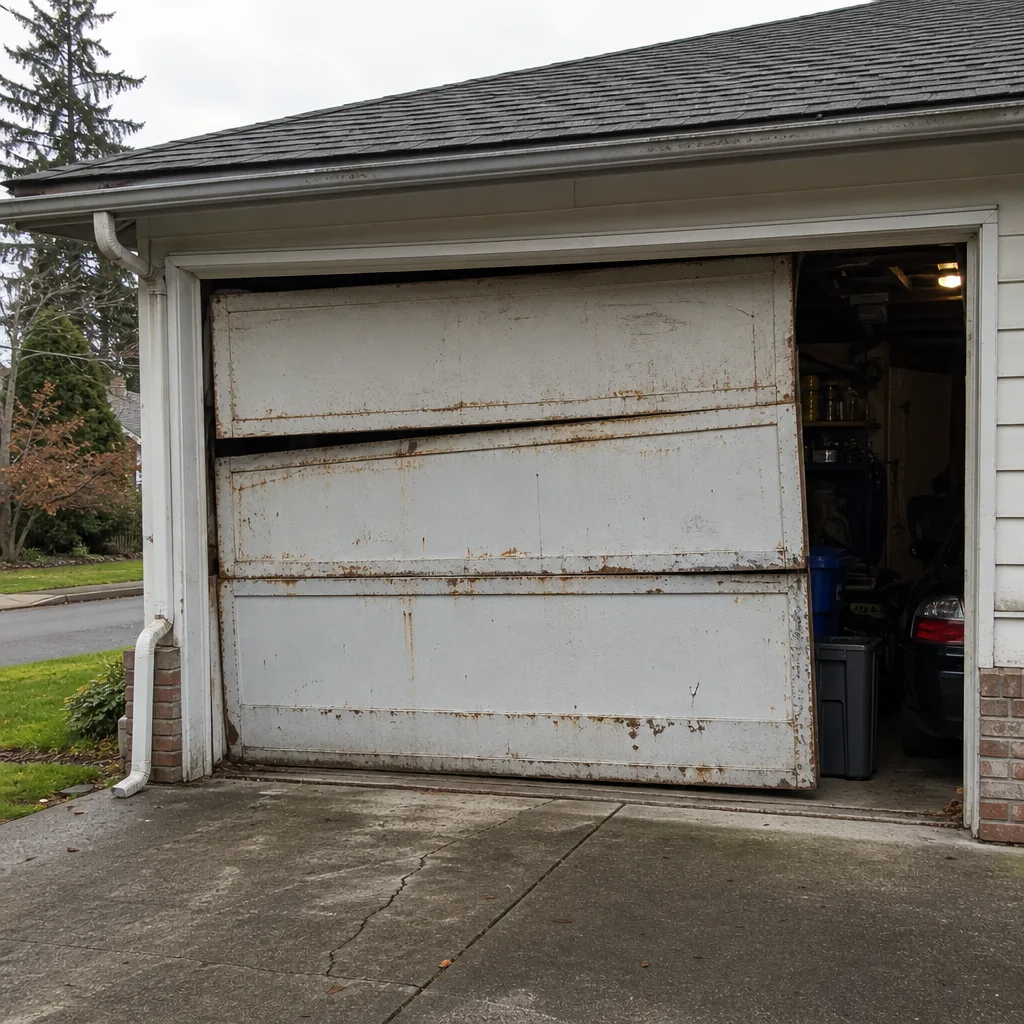 Before
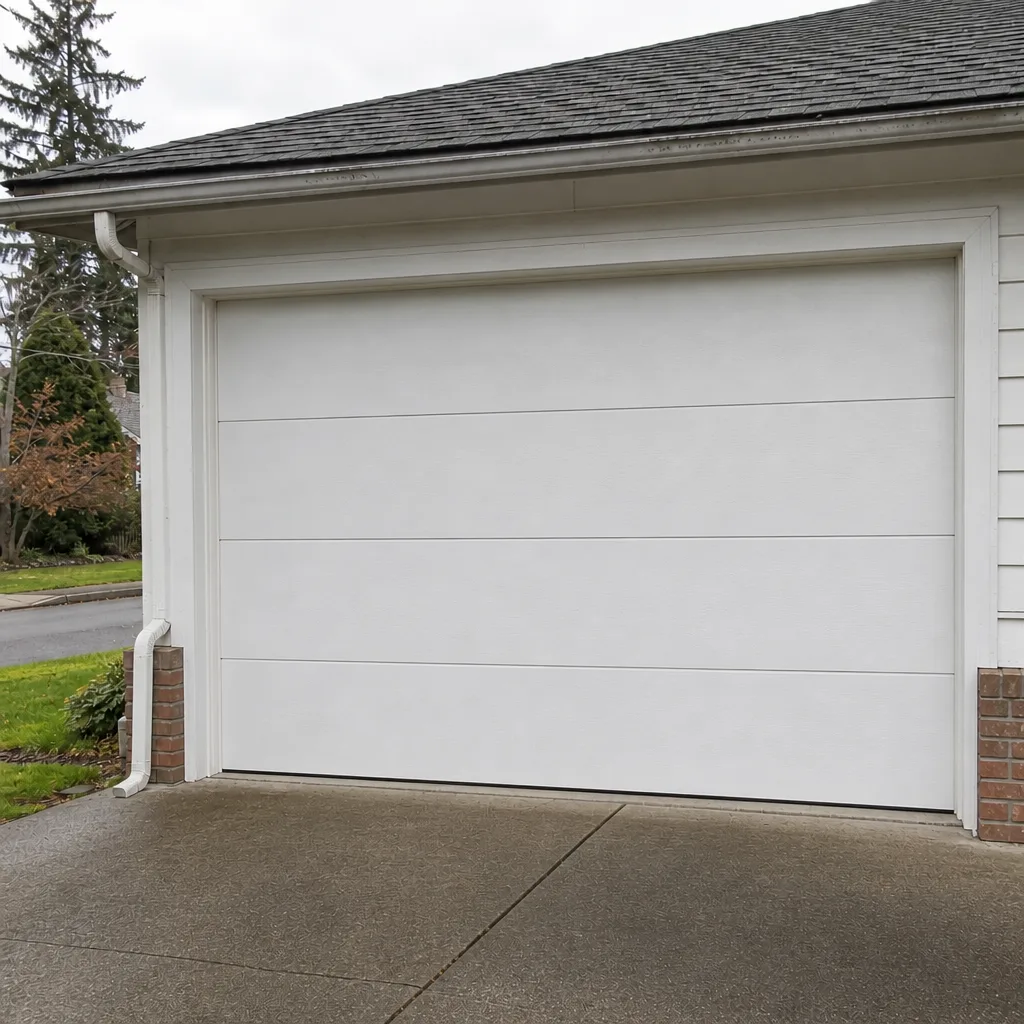 After
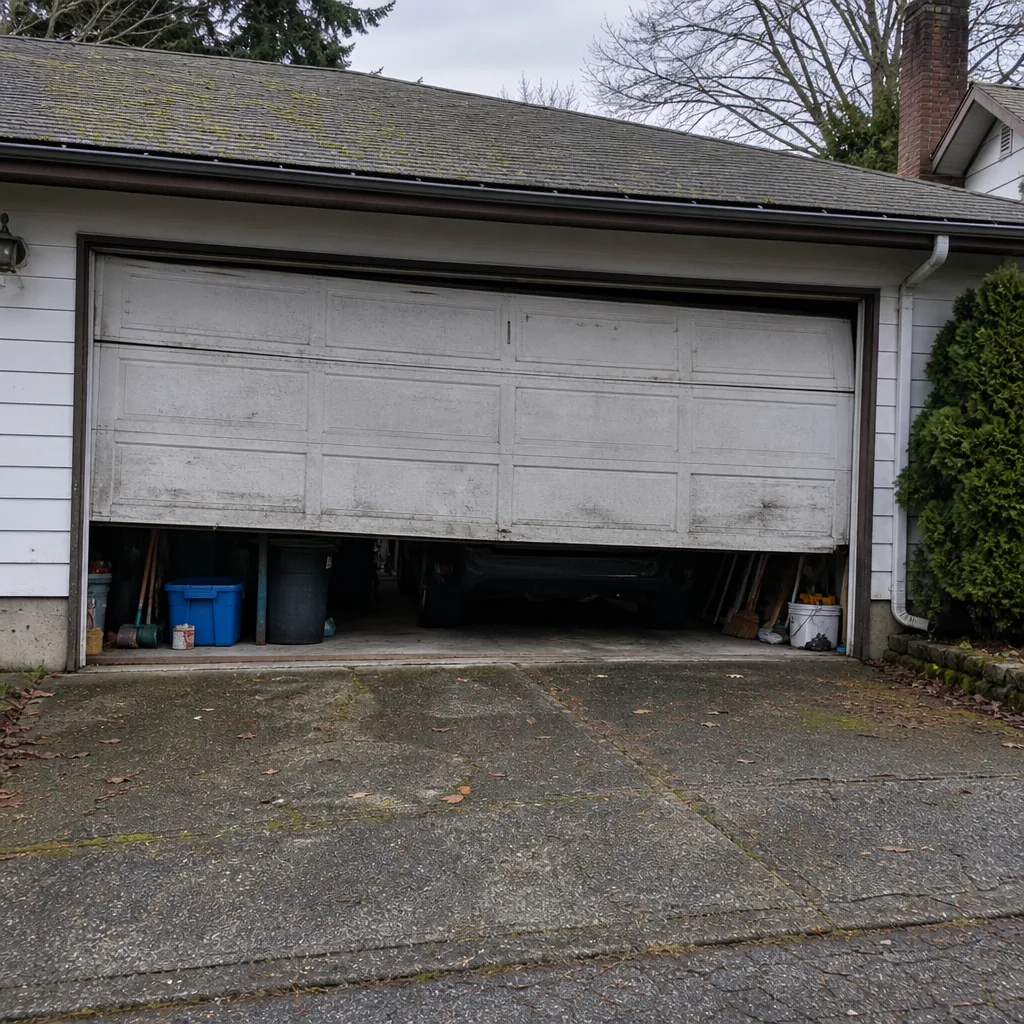 Before
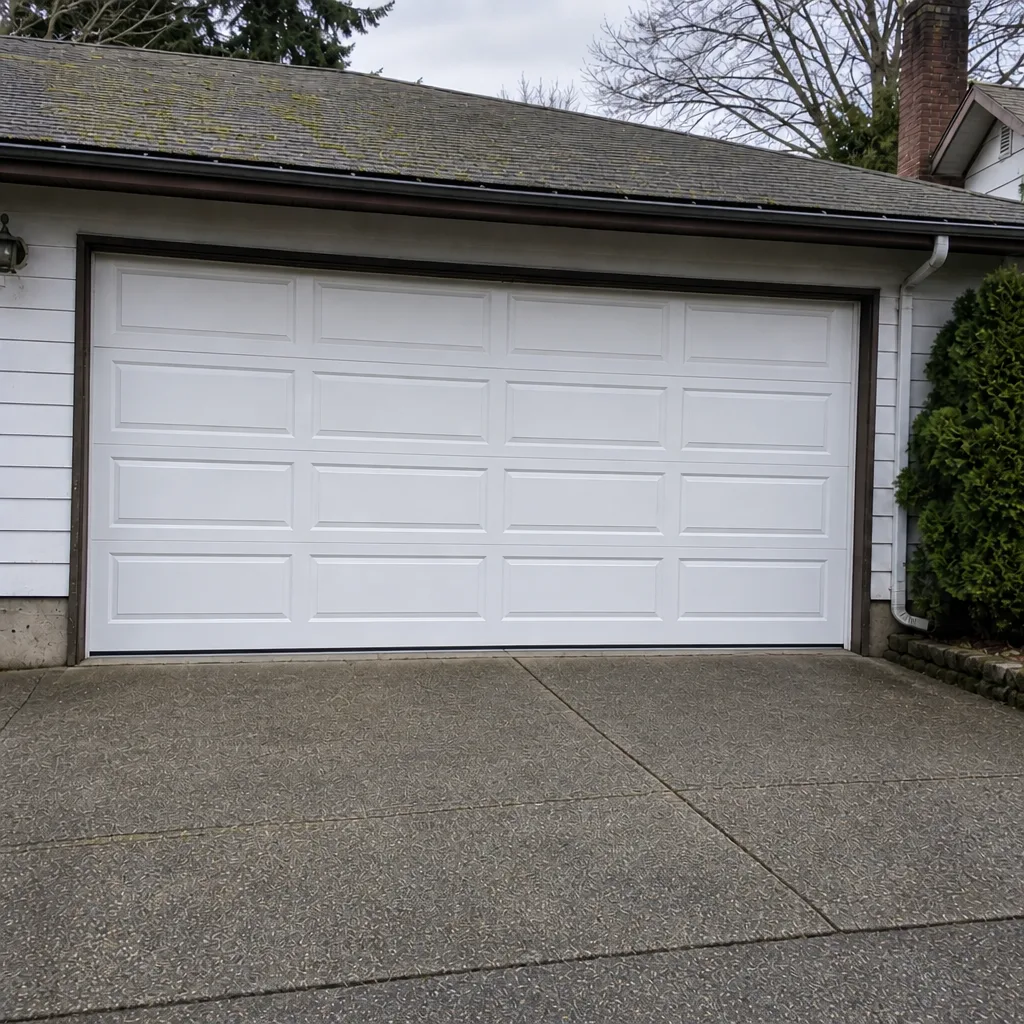 After
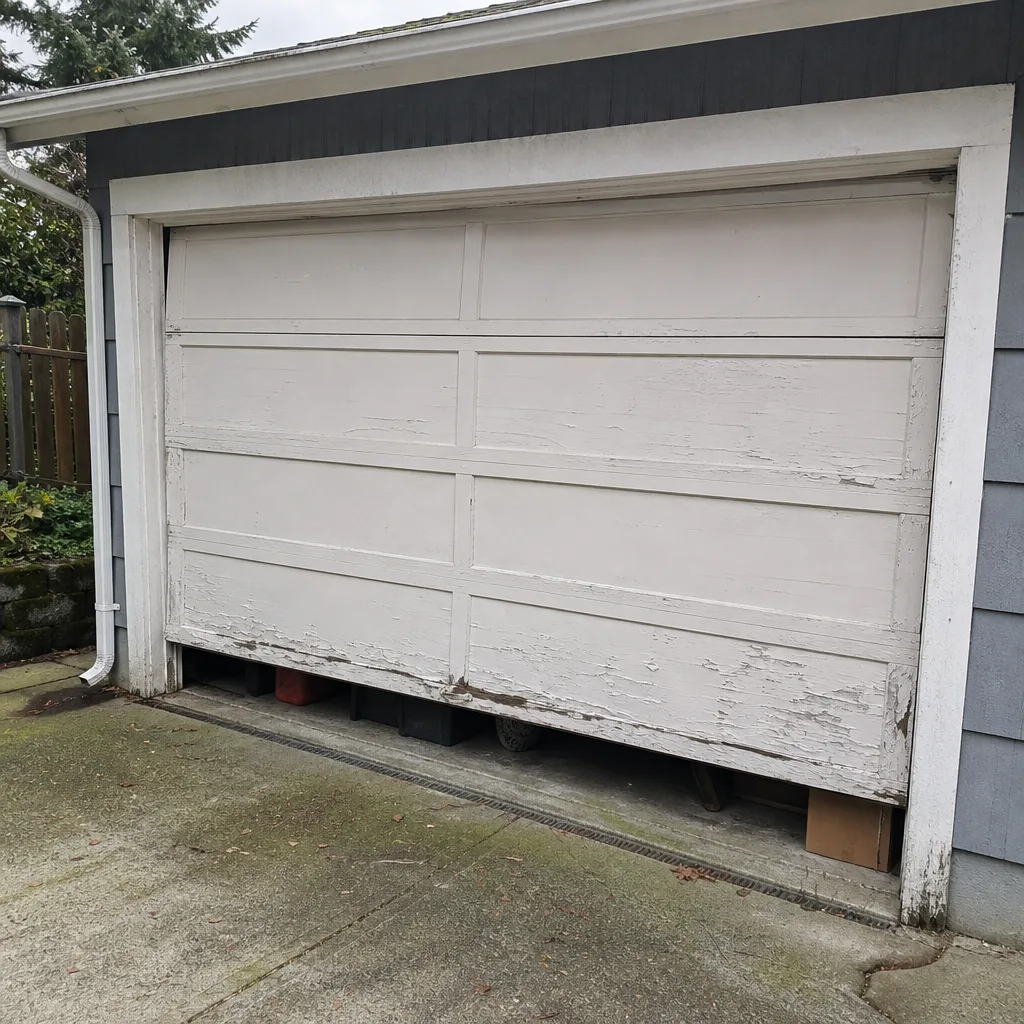 Before
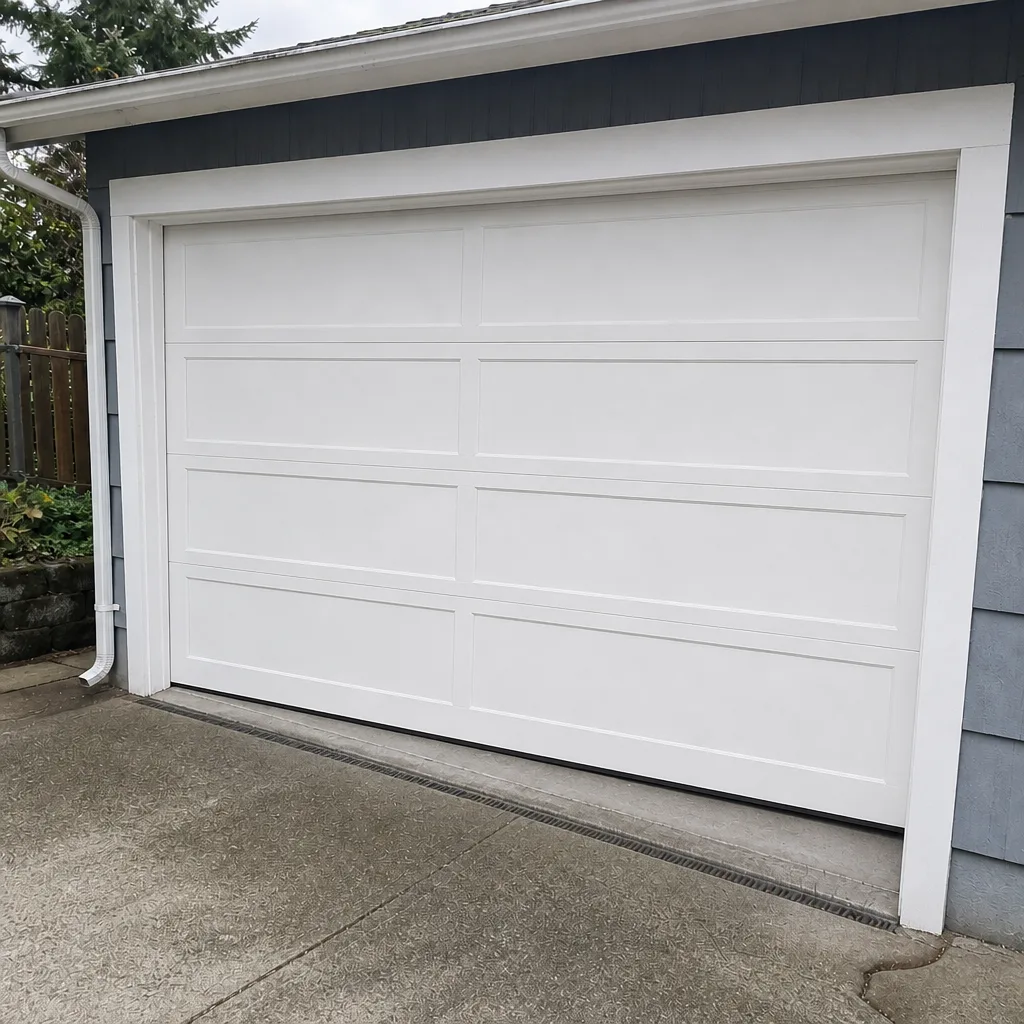 After
Emergency Call and Next Steps
Call (866) 937-8026 and tell us the brand, the symptom, and your cross street. If you’re scheduling a planned repair or a new install, we’ll measure, quote, and put a written price in front of you before any work starts. Your written estimate is the price. If the job changes once we’re on site, we tell you before we start, not after.
If you’re still deciding whether you need help, start with our garage door repair West Seattle overview to see what a repair visit involves. When you’re ready, one call covers springs, openers, hardware, panels, and parts – a single point of contact for the whole door. Call (866) 937-8026 for a free estimate.
The Bottom Line
Garage door emergencies in West Seattle aren’t random. Storms, cold mornings, and old openers create the same few problems again and again, and the homes here – many with original hardware, some on hillside driveways with no parking alternative – make the stakes higher than they look. The most useful thing you can do today is find and mark your manual release. The second is know when not to touch it. A broken spring changes the entire rulebook, and no one should try to open a door with one. Put our number on the garage wall, get familiar with your sensors, and when something goes wrong, call with the brand and symptom so we arrive with the right part. That’s the entire game.
Written by the team at Garage Door Repair West Seattle.