Last updated November 23, 2026
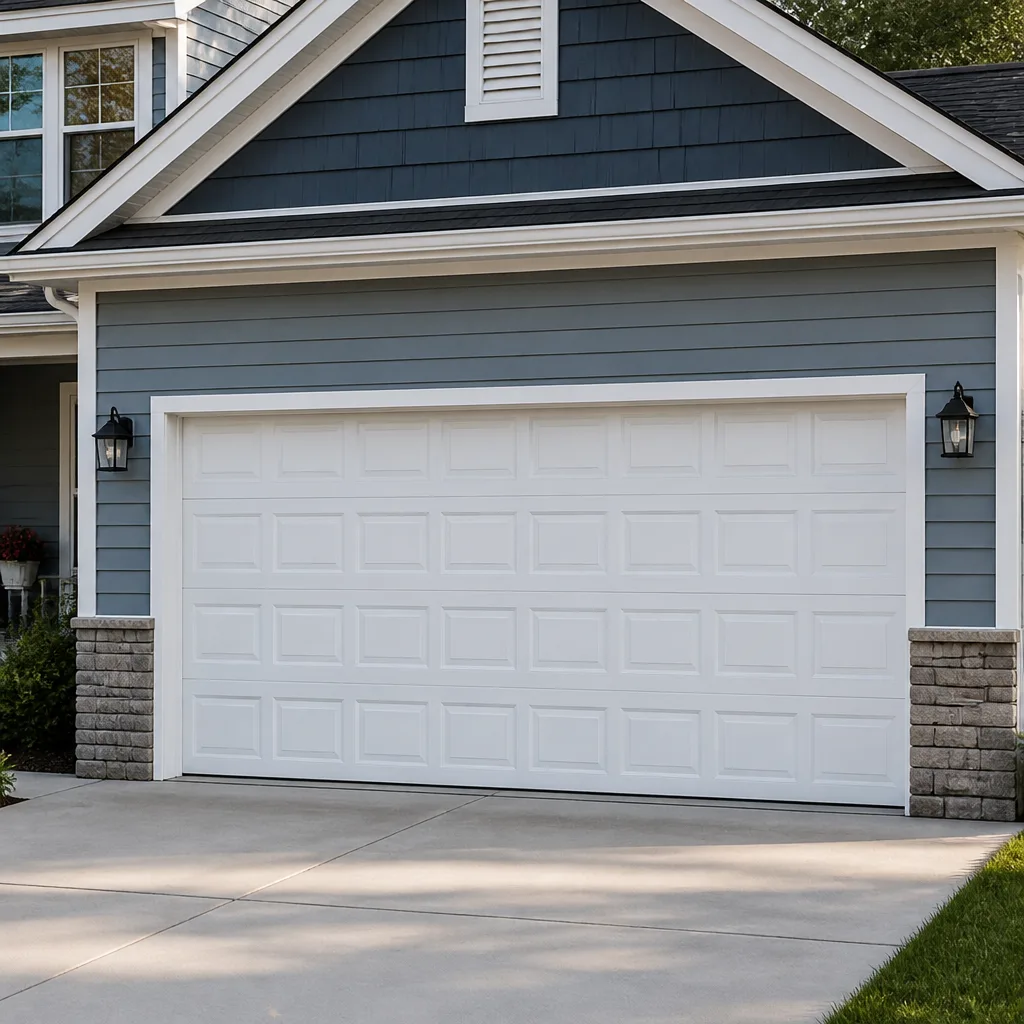 Raised-panel steel
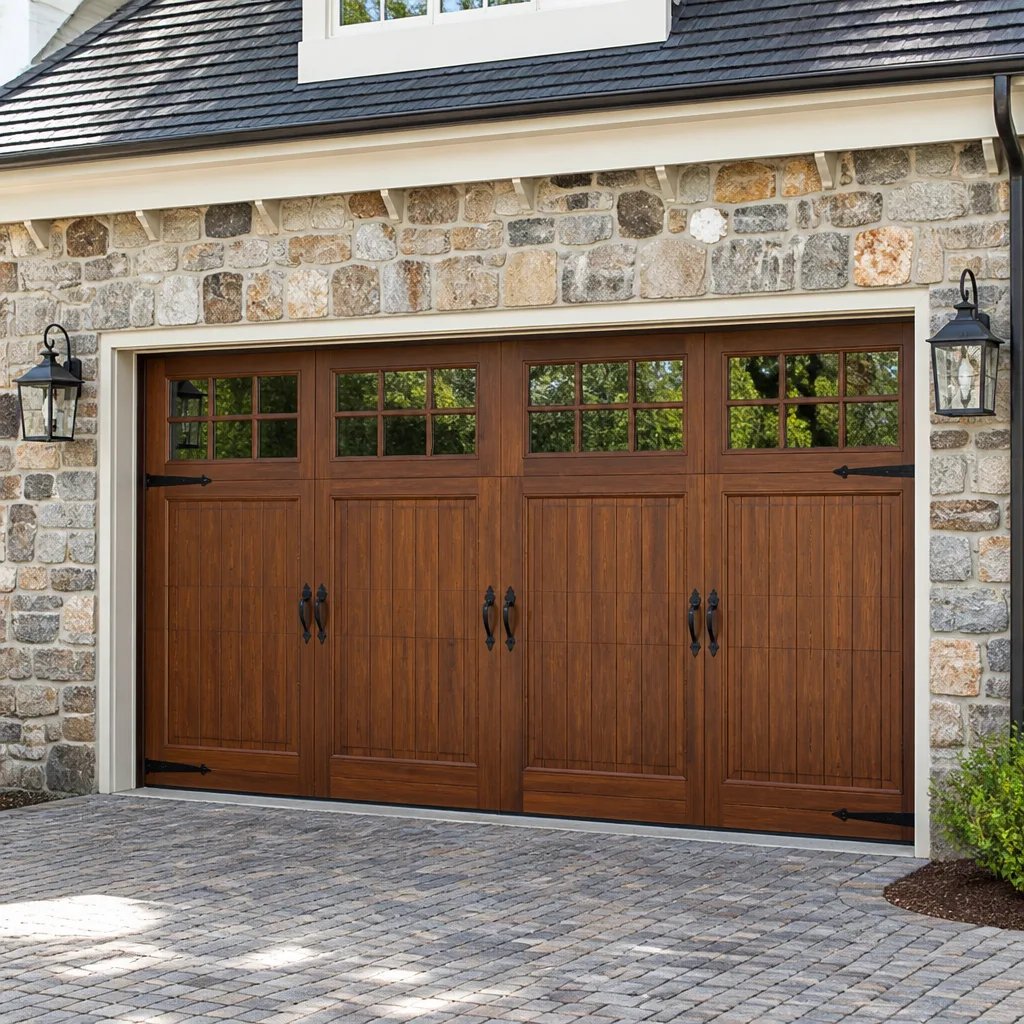 Carriage house
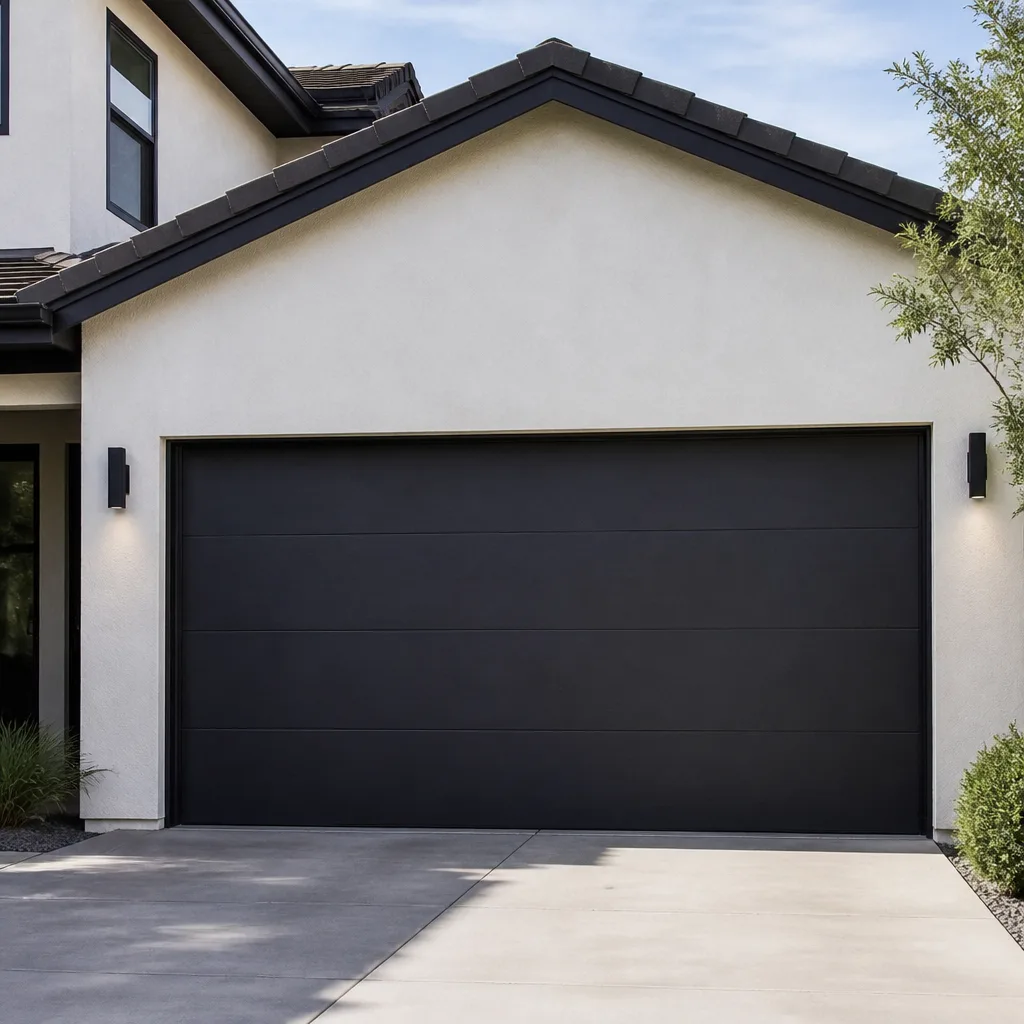 Modern flush
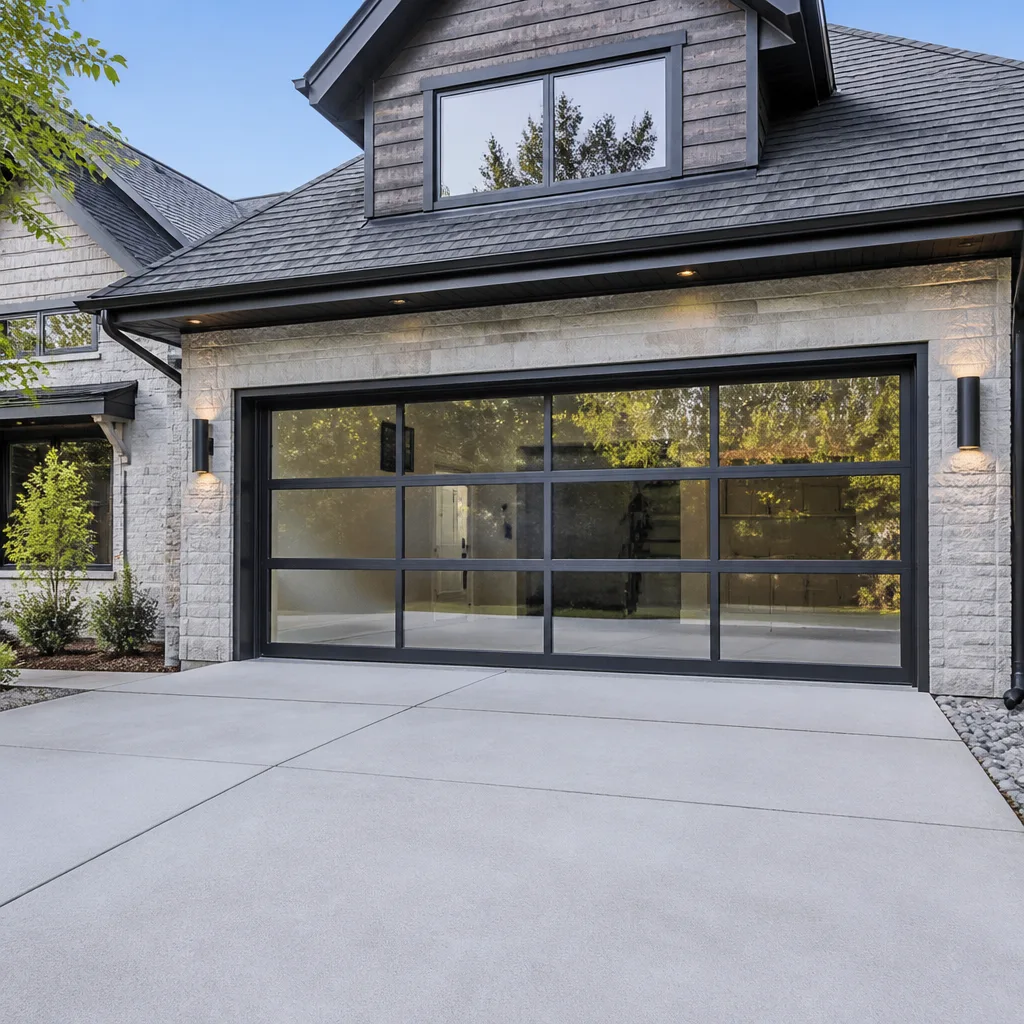 Full-view glass
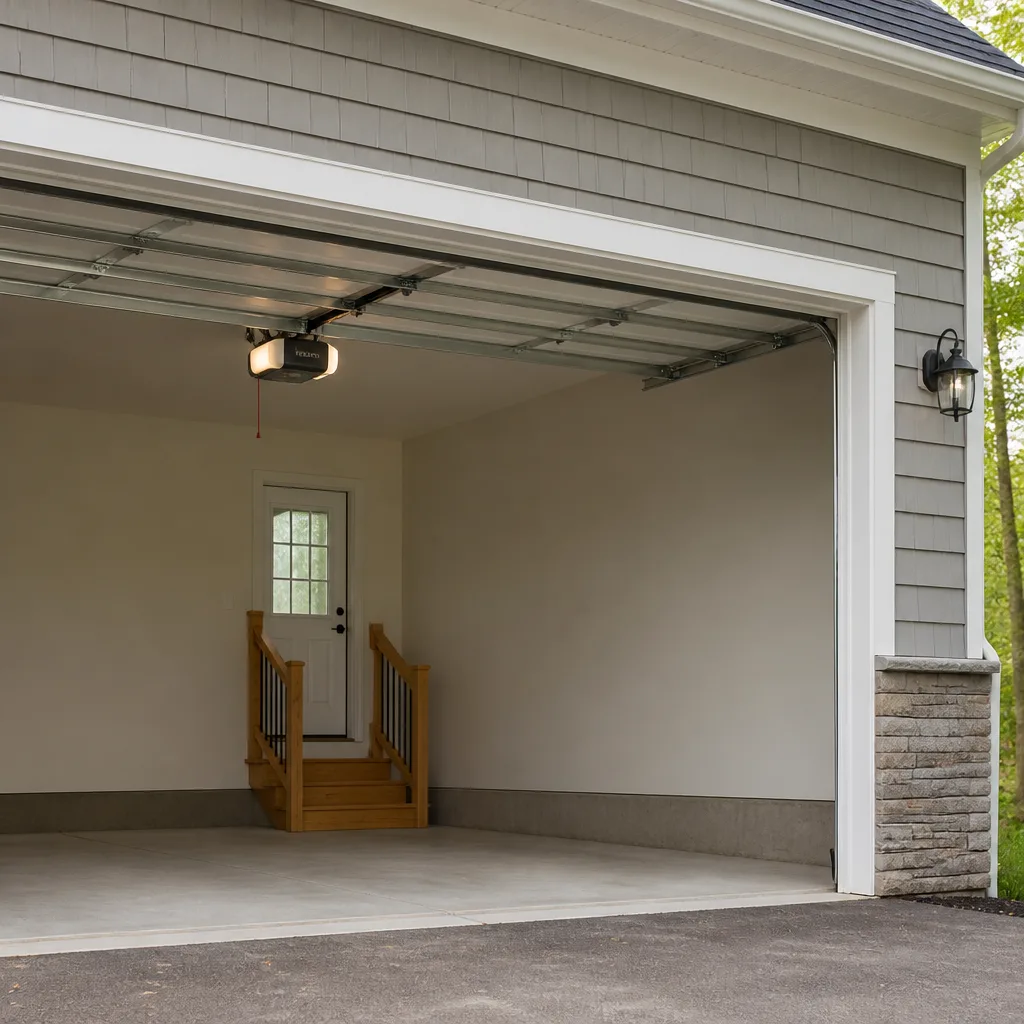 LiftMaster openers
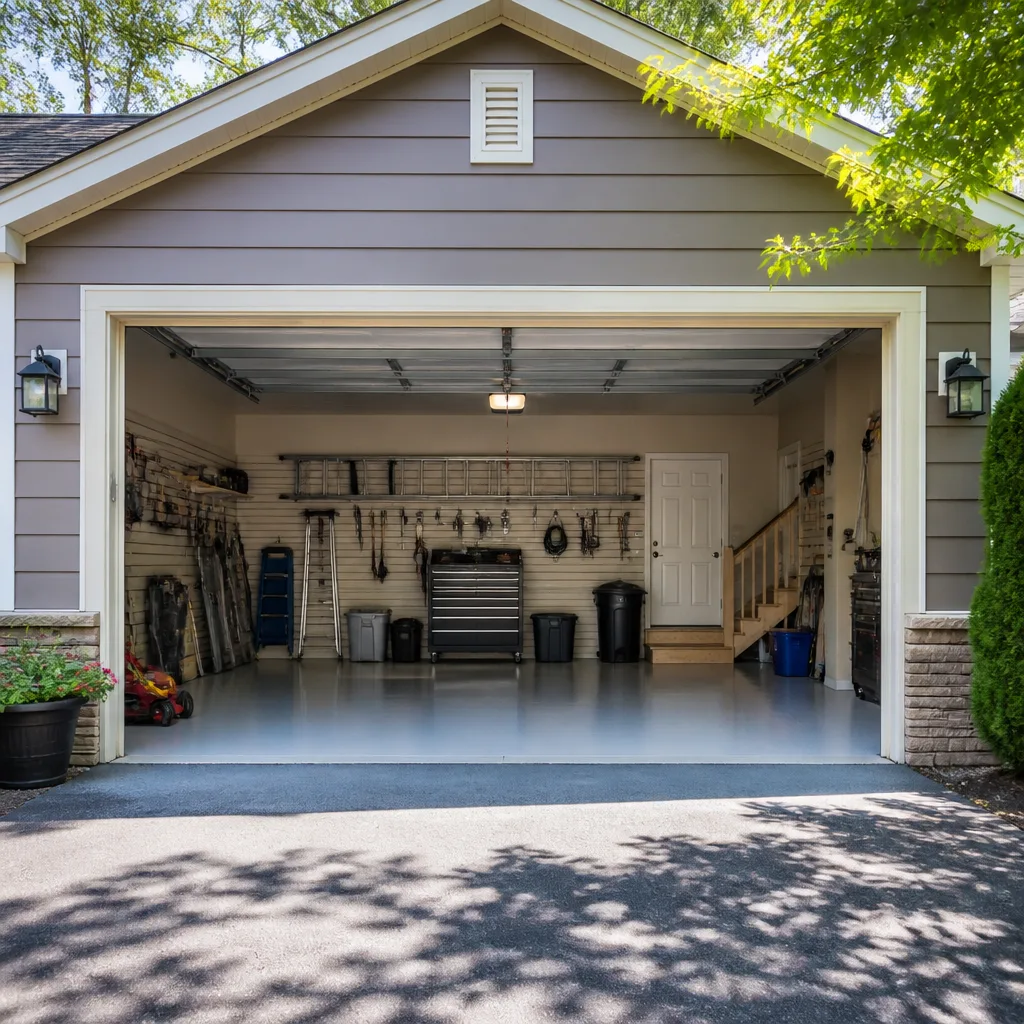 Chamberlain openers
Full 25-point door and opener safety check with every visit - springs, cables, rollers, tracks, and your LiftMaster or Chamberlain opener included
You get a price before we start. It does not change when the pro arrives.
Get your free estimateThe Complete Guide to Garage Doors in West Seattle
Most garage door buying guides are written for Phoenix or Dallas. That’s the first thing to understand, because it explains why so much of the advice floating around online doesn’t fit what we see in West Seattle. This city is a narrow strip of hills and water: the marine layer rolls in off Puget Sound, driveways in Fauntleroy and Admiral climb at angles a flat-lot guide never imagines, and a large share of the housing stock went up between the 1950s and 1980s, which means rough openings that predate modern “standard” sizes. Rain, grade, and age all leave their fingerprints on a garage door system, and they change what “good” looks like. In this guide we walk through materials, openers, springs, insulation, and the interconnectedness of every part, all mapped to how things actually work in West Seattle.
Quick Answer
A garage door in West Seattle should be chosen and maintained around the local conditions: high annual rainfall and marine humidity that speed up spring corrosion, steep lots that demand careful opener torque and balance, and older homes with non-standard rough openings. Prioritize galvanized or stainless hardware, match the opener’s drive and torque to your grade, and maintain the spring, cable, track, and opener as one connected system rather than treating each failure in isolation.
Styles & brands we work with
- Raised-panel steel
- Carriage house
- Modern flush
- Full-view glass
- LiftMaster openers
- Chamberlain openers
Table of Contents
- Why West Seattle’s Climate Changes Everything
- Springs and the Marine Layer: The Corrosion Story
- Steep Driveways in Fauntleroy and Admiral
- Rough Openings in Older West Seattle Homes
- Material Comparison for Pacific Northwest Conditions
- Choosing and Repairing Openers
- Reading Your Door as One System
- A Simple Maintenance Routine
Why West Seattle’s Climate Changes Everything
West Seattle receives a lot of rain, and the marine layer keeps the air damp long after the rain stops. That matters for garage doors in a way a national guide doesn’t capture. A garage is a semi-conditioned space at best: it sits between the outdoors and your living space, and it takes on the humidity of the air around it. Over a season, that steady moisture does quiet work on the metal parts of a door system – the springs, the hinges, the fasteners, the cables. It’s not the dramatic corrosion you’d see near an industrial plant. It’s the slow kind: hinges that start to bind, rollers that stop turning freely, and spring coils that show a dull finish.
The Pacific Northwest climate has a second feature that surprises people: our summers are bright and long-dayed, and a south- or west-facing garage door takes ultraviolet exposure for many hours. On a wood door, UV breaks down the finish and lets moisture in, which is the worst combination. On a steel door, UV isn’t as much of an issue, but heat cycling from a sunny wall that cools off at night does stress the seals and weatherstripping at the bottom of the door.
What this means for West Seattle homeowners is straightforward:
- Plan your hardware around moisture first and weight second, not the other way around.
- Assume weatherstripping and bottom seals will need attention more often than in dry climates.
- Look at hinges and rollers each season for the earliest signs of sticking.
- Keep gutters and grading working so water doesn’t pool at the base of the door.
None of this is a reason to panic. It’s a reason to build a maintenance habit around the climate rather than the calendar.
Springs and the Marine Layer: The Corrosion Story
Garage door springs are the single most stressed component of your system, and in West Seattle they also fight the air. A torsion spring is wound steel under heavy tension; an extension spring stretches alongside the track. Both work better when their coils stay clean and move freely, and both are slowed down by rust. When humidity gets into the coil surfaces and starts a thin layer of corrosion, the spring doesn’t fail dramatically all at once – it becomes less consistent, and door balance suffers.
This is where the hardware choice pays off. Galvanized springs and stainless fasteners cost a bit more up front but hold up better in repeated wet-dry cycling. The premium is worth it here specifically because our spring and hardware life is measured against more moisture than the national average. It’s one of the few upgrades we genuinely think is worth the money for a West Seattle door.
Springs are also dangerous to handle. They’re under extreme tension, and a spring that lets go under load can cause serious injury. That’s the main reason a trained technician matters. Our technicians have up to 13 years of experience, and one of our core specialties is Garage Door Repair West Seattle. If you have a broken spring, don’t touch it yourself – call us and we’ll assess the system safely.
A quick note on pricing structure: spring work is quoted per spring. If you have a two-spring system and both are worn, a matched pair is usually replaced together, which means the cost for a pair is roughly twice a single spring. Ask for the breakdown so you know what you’re approving.
Steep Driveways in Fauntleroy and Admiral
West Seattle is hills. Fauntleroy climbs down toward the water, Admiral rises up toward the ridge, and many lots have driveways that tilt a good deal. A garage door on a steep approach is doing more work than one on a flat lot, and the opener has to move the door up that grade consistently. Two things get overlooked in generic guides: torque rating and door balance.
An opener rated for a flat-lot door may be underpowered when the door has to lift against a slope, especially if the door is heavy or insulated. Over time, an overworked opener strains its motor, its drive chain or belt, and its gears. The result is an opener that opens slowly, opens halfway, or reverses unpredictably. If your opener has to fight gravity every cycle, it’s worth checking the torque and the drive system against the actual load.
Door balance is the other half. A door that’s properly balanced needs very little force to lift. A door that’s out of balance can need a lot. On a steep lot that imbalance shows up quickly, because the gate-style safety sensors and the opener’s force settings are working harder to keep up.
Here’s a simple sequence to check balance without touching the springs:
- Disconnect the opener with the manual release so the door moves by hand only.
- Raise the door about halfway and let go. A balanced door should stay roughly where you left it.
- If it drops fast or rises on its own, the balance is off – that’s a job for a technician, because it usually traces back to springs or cables.
- Repeat once at the fully closed position to check the bottom seal and the closing path.
If your door fails that test, don’t keep running the opener. Call us and we’ll sort out whether the fix is balance, spring, or opener.
Rough Openings in Older West Seattle Homes
Rough openings are where a lot of West Seattle door replacements go sideways. If your home was built in the 1950s through the 1980s, the rough opening behind your garage door may not match the “standard” sizes that modern manufacturers stock. That’s not a flaw, it’s just history: building techniques and code expectations changed over the decades. When a homeowner orders a standard-size door online, they sometimes discover that their 1962 opening is a half-inch off, or that the header height is different.
What “standard” actually means when your opening isn’t standard:
- Width and height are often measured to the nearest fraction, and doors are built to fit those measurements – not rounded to the nearest whole foot.
- Header height matters as much as width; a door that fits the width but is too short leaves a gap you’ll fight for years.
- The wall framing behind the door needs to be sound before a new door goes in, and older homes sometimes need that addressed first.
- If you’ve added siding, insulation, or a new driveway surface since the original build, those changes affect the opening.
Our advice for a West Seattle replacement is simple: measure before you buy, and have a technician verify the opening on-site. A free measure and a written estimate take the guessing out of it. If you’d like us to handle the garage door installation rather than ordering blind, we’ll do the measuring and the fitting so the door meets the opening you actually have.
Material Comparison for Pacific Northwest Conditions
Material choice is usually framed around look, cost, and insulation value. Those matter, but for West Seattle you want to weight moisture resistance and UV stability at least as heavily. Here’s how the common options stack up for our conditions.
- Steel: The most common choice and a strong fit here. It resists moisture well, especially with a painted or powder-coated finish, and it’s easy to maintain. The things to watch are dents and the bottom-seal area, where rain collects. Insulated steel doors handle the damp and the temperature swings nicely.
- Wood: Beautiful, and a natural look for many older West Seattle homes. But wood is the most moisture-sensitive option in our climate. UV and wet-dry cycling break down finishes, so wood needs more frequent repainting or sealing than in dry regions. Worth it if you’re willing to keep up with the finish.
- Fiberglass: Lightweight, doesn’t rust, and handles damp well. Some fiberglass panels are vulnerable to impact cracks over time, so check durability for your use.
- Aluminum: Resists corrosion and is light, which suits steep lots and lighter-duty openers. It dents more easily than steel and usually offers less insulation.
Brand choice is a separate but related decision. We work on and install all of the major brands, including Clopay, Amarr, and Wayne Dalton among others, so the choice is about what fits your opening and your priorities, not about what we prefer to sell. Insulation is worth a mention: an insulated door helps moderate the temperature of the garage and reduces the condensation that drives much of our corrosion problem.
Choosing and Repairing Openers
Your opener is the most electronically complex part of the system, especially now that so many units connect to Wi-Fi and the rest of your smart home. When something fails on an opener, the symptoms can look mysterious: the door reverses at the same spot, the remote works sometimes, or the wall button does nothing. A technician who knows the drive system and the electronics can usually isolate the cause quickly. Our opener repair covers the modern smart-home drives and the older units alike.
Common opener problems and what they usually point to:
- Door reverses at one spot: often a travel-limit or safety-sensor issue, sometimes a balance or track problem.
- Remote works intermittently: frequently a battery or signal-interference issue, sometimes the receiver board.
- Motor runs but door doesn’t move: usually a drive or gear failure.
- Door opens slowly or strains: often a torque or balance mismatch, especially on steep-lot doors.
If you need garage door opener repair on a LiftMaster, Chamberlain, Genie, or Craftsman unit, we’re set up to diagnose and repair the full system. We stock a wide range of parts, which means many repairs are done same-visit or next-day rather than waiting on an order.
When you’re choosing a new opener for a West Seattle home, match the drive type and torque rating to your door’s weight and your lot’s grade. Belt drives run quieter and are popular in homes where the garage shares a wall with the living space. Chain drives are durable and straightforward. Screw drives are quiet and steady but less common. Whichever you choose, get the rating right – an underpowered unit is the start of a short and frustrating life for the opener.
Reading Your Door as One System
The single most useful mental shift when you own a garage door is this: it’s not a door with a few parts attached, it’s a system. Spring, cable, track, hinges, rollers, and opener all push and pull against each other every time the door moves. When one part fails, the others take the load, and that’s how one problem turns into three. Understanding this keeps a small repair small.
Here’s how the components interact:
- Spring: carries most of the door’s weight. If a spring is weak or broken, the opener and the cables do the lifting, which they aren’t designed for.
- Cable: connects the door to the spring force. A cable that runs with a weak spring wears faster and can fray or slip off the drum.
- Track and rollers: guide the door. A track that’s bent or a roller that’s binding forces the whole system to work harder, which strains the opener.
- Opener: the last link. Great openers can’t compensate for a balance or track problem; they just fail further down the line.
This is why we look at the whole system rather than just the part that’s obviously broken. A repair that only replaces one failed part without checking the rest tends to bring the door back a few weeks later. Our job is to fix the system, not just the symptom.
For a hands-on check of your own, the safest starting point is the door itself: check the track for bends, check the rollers for free movement, and check the balance as described earlier. If anything is off, or if the problem traces back to springs or cables, call us and we’ll do the full assessment.
A Simple Maintenance Routine
A garage door doesn’t need much attention, but the few things it needs are worth doing consistently. Here’s a routine that fits West Seattle’s climate and takes maybe a half hour a season:
- Look at the springs and cables. Any visible rust, fraying, or a gap in a spring coil means call us – don’t adjust anything.
- Check hinges and rollers. If they’re stiff, they’re the early sign of moisture getting in. Lubricate metal hinges and rollers with a garage-door-rated lubricant, not WD-40, which attracts dirt.
- Test the balance. With the opener released, lift the door halfway and let go. It should mostly stay put.
- Inspect weatherstripping. A brittle or torn bottom seal lets rain and cold air in. Replace it before it becomes a bigger issue.
- Clear debris and water. Make sure the base of the door isn’t sitting in pooled water. Grading and gutter maintenance are the cheapest protection you can get.
- Test the safety reverse. Put a small object in the door’s path and confirm the door reverses when it touches. This is a basic safety check for every home with an opener.
If you’d rather have a technician run through the system once, we offer garage door repair for West Seattle homes and can handle everything from a single hinge to a full system check. Free estimates are part of the deal – call (866) 937-8026 to book one.
Common Mistakes to Avoid
- Ordering a replacement door before measuring the opening. In older West Seattle homes, the rough opening is often not a standard size. Measure to the fraction and have a technician verify it on-site before you order.
- Treating a steep-lot door like a flat-lot door. If your driveway climbs, check the opener’s torque rating and confirm the door is balanced. An underpowered opener fails early and often on a slope.
- Running the opener with a broken or weak spring. The opener and cables aren’t built to carry the door’s weight. Continuing to run it turns a spring repair into a spring-plus-cable-plus-opener repair.
- Ignoring rust on springs and hardware. In our climate, the first signs of corrosion are the best time to address hardware. Waiting lets the balance slip and the problem spread to other parts.
- Skipping the bottom seal and weatherstripping. These are cheap components that do real work. A leaking seal invites moisture into the whole garage.
- Choosing a door or opener on looks alone. Weight, insulation, and drive type all matter. A heavy insulated door paired with a light-duty opener is a long-term headache, no matter how it catches the light.
- DIY on springs or cables. These parts are under extreme tension. The risk of serious injury is real. Springs and cables are a job for a trained technician.
See the difference
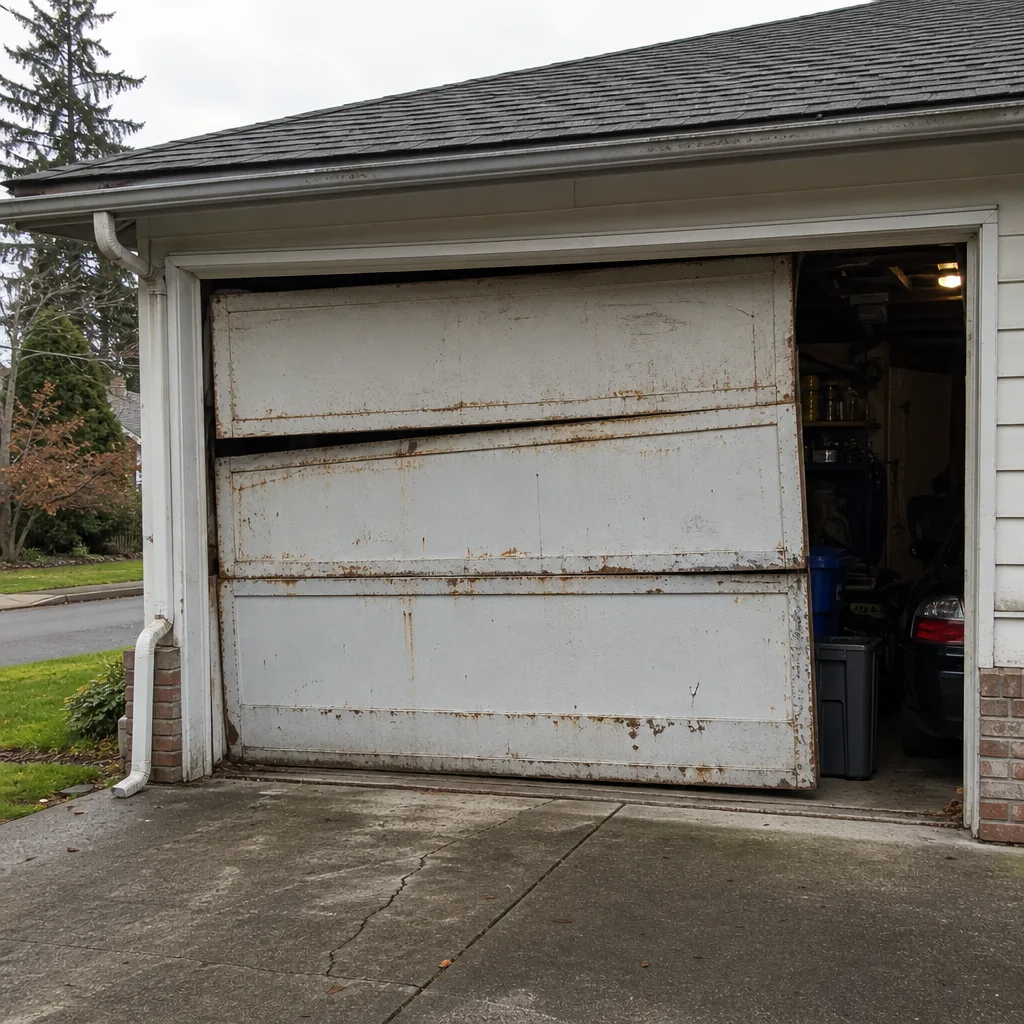 Before
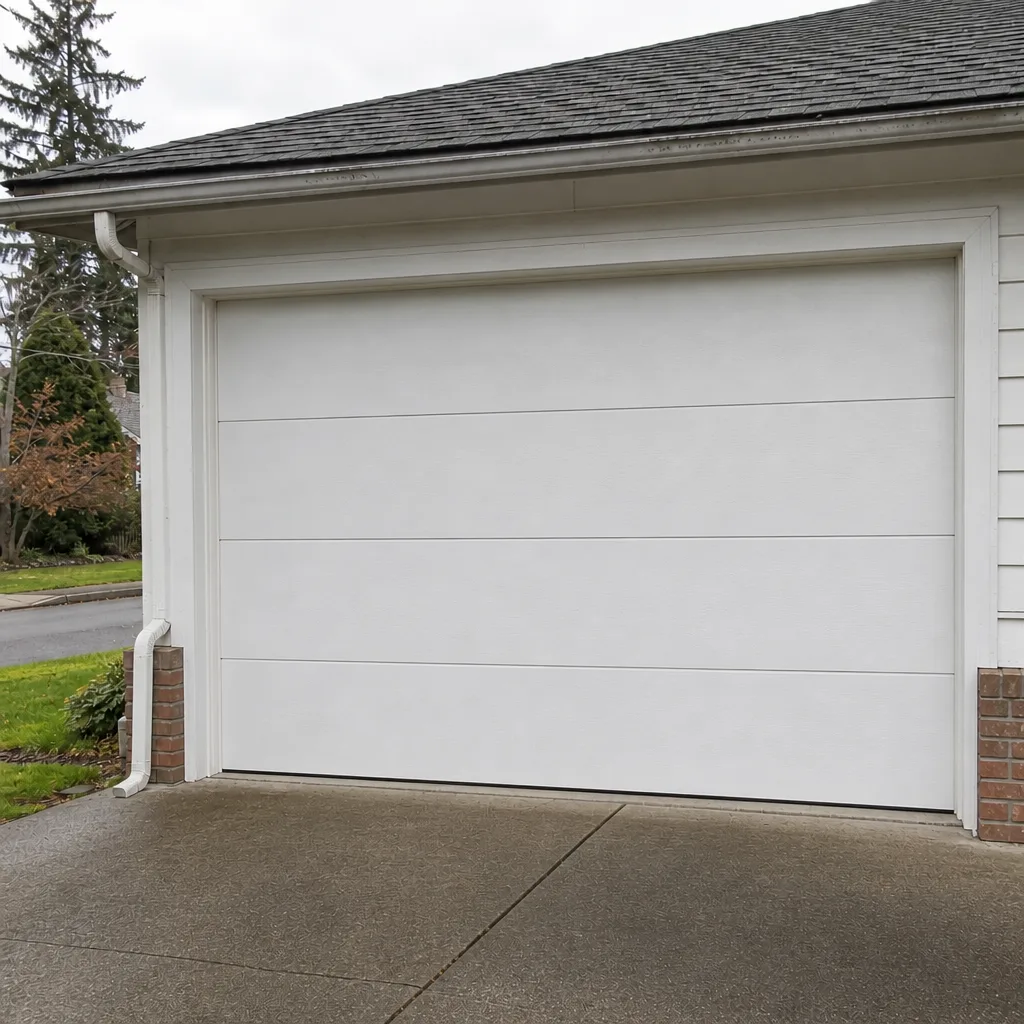 After
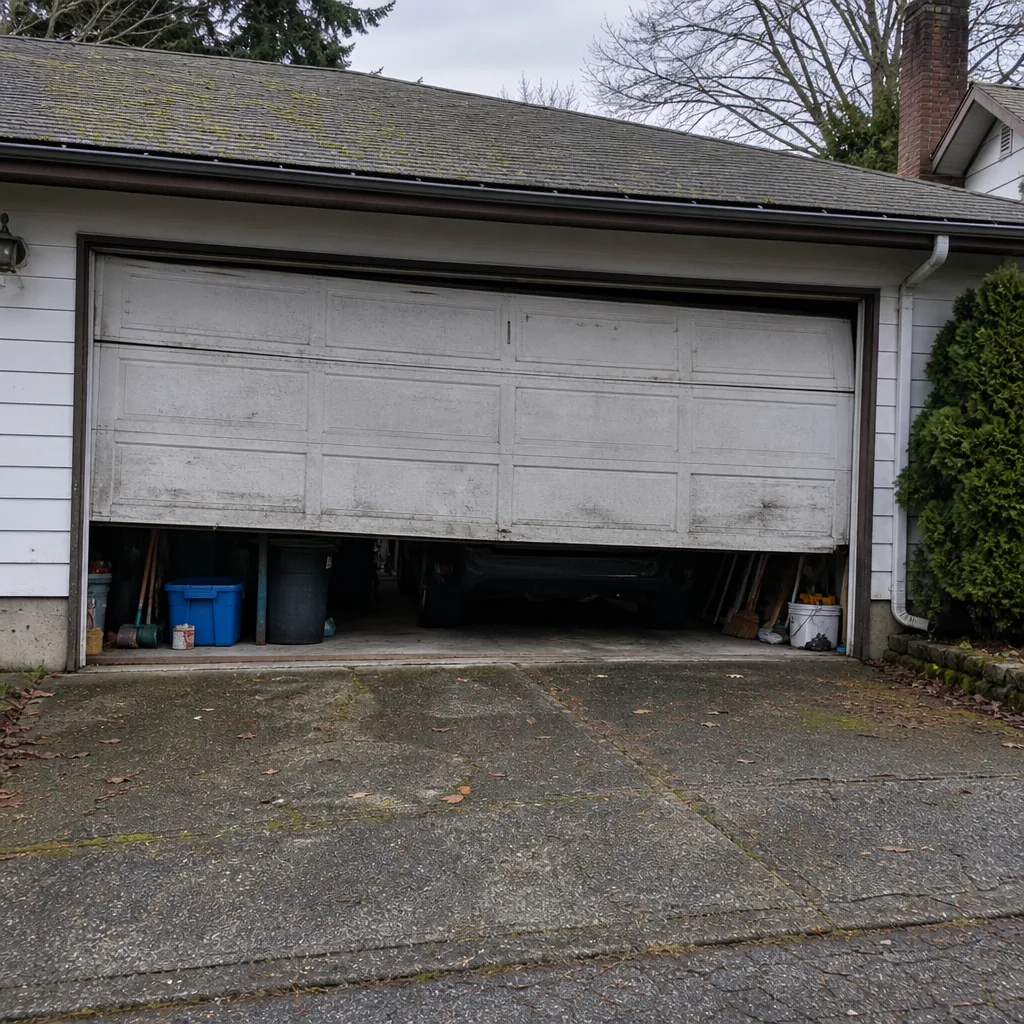 Before
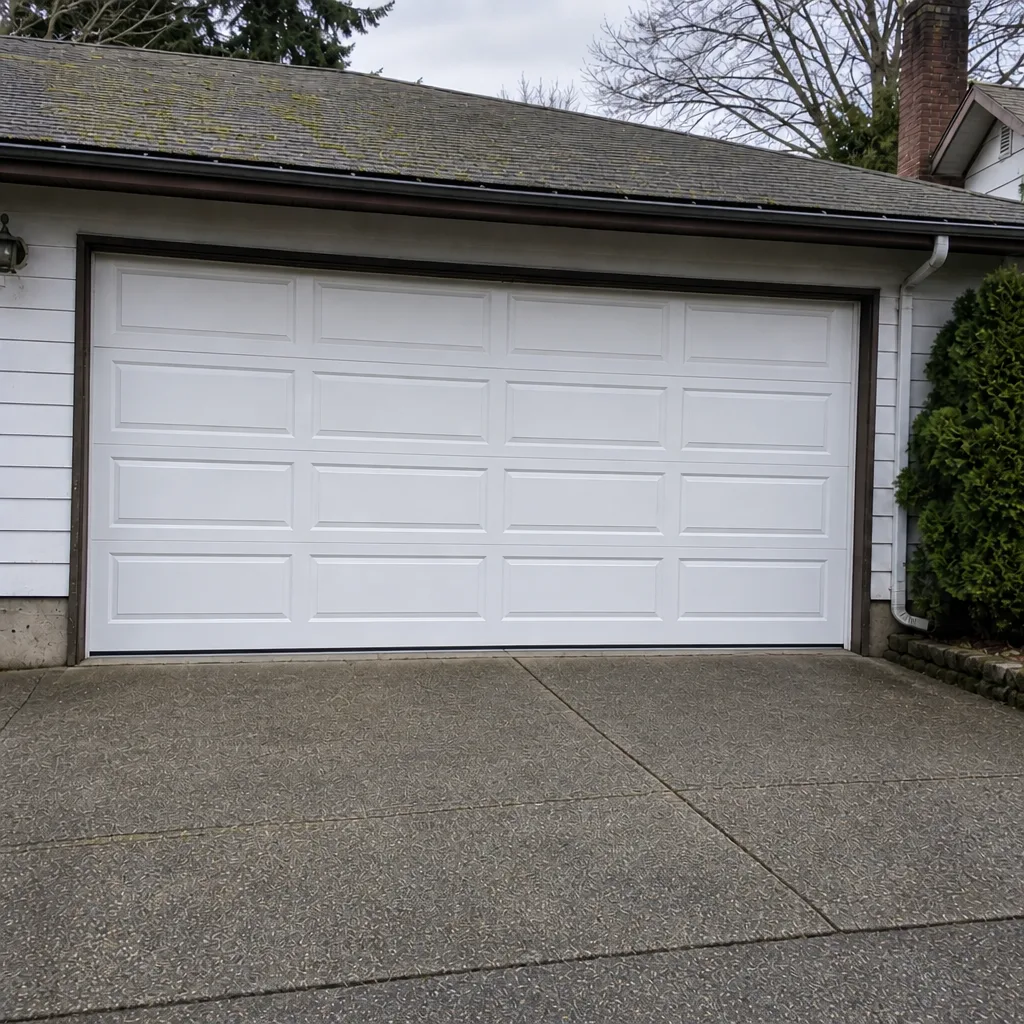 After
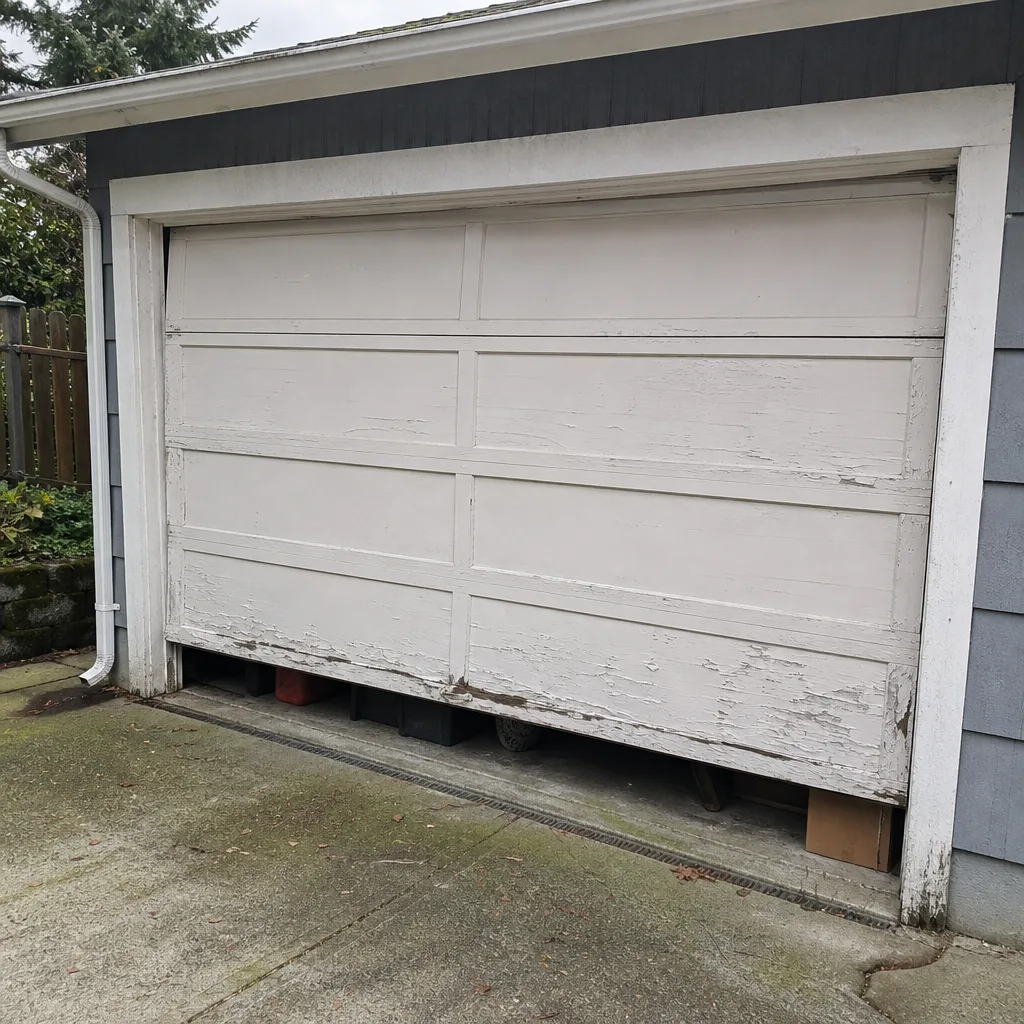 Before
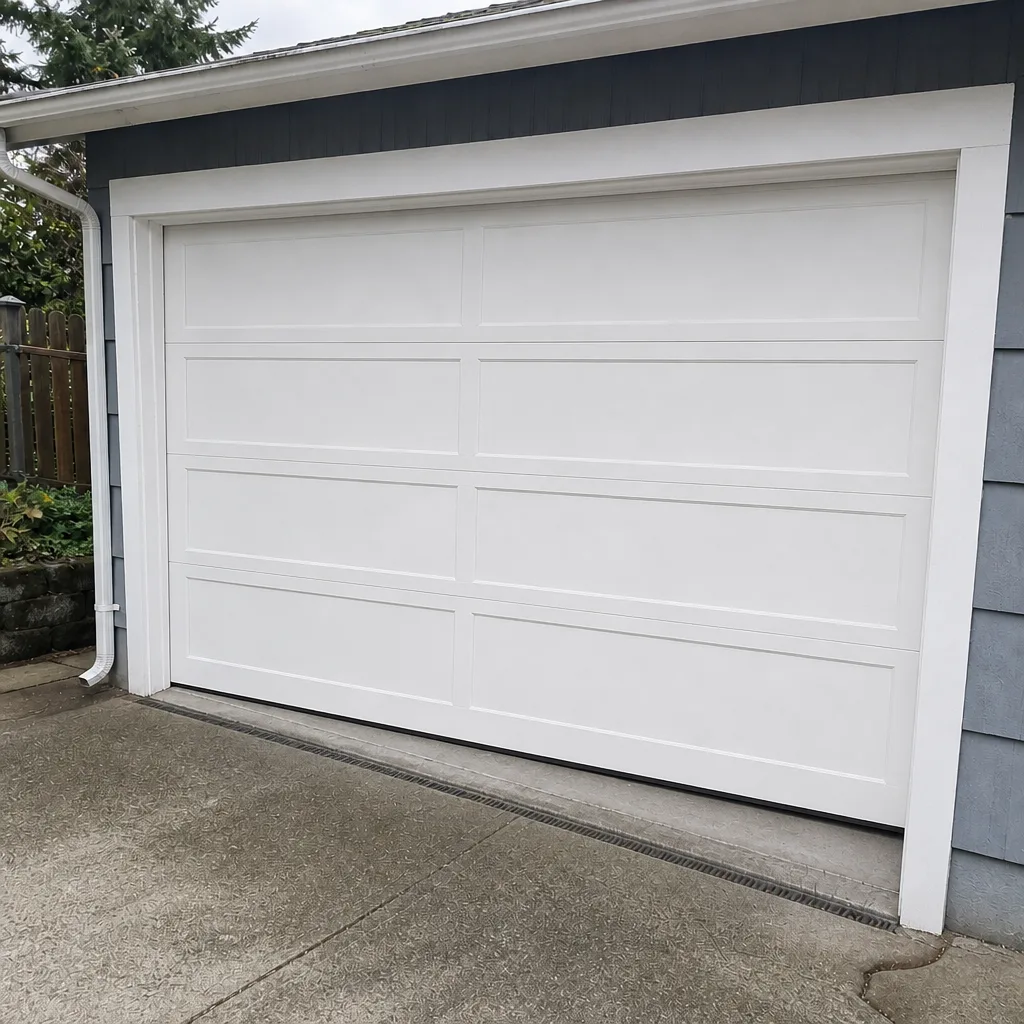 After
When to Call a Professional
Some problems are safe to describe over the phone and solve the same day. Some are worth stopping for. Call us if you hear a loud bang from the garage and the door won’t lift, if the door is visibly crooked or off its track, if the opener reverses for no clear reason, or if you see rust, fraying, or a gap in the springs and cables. A door that slams or drops is a balance problem, and running the opener on it makes the situation worse. West Seattle homes on steep lots should call early if the door strains or hesitates, since that’s often the opener fighting the grade. If your door’s finish is breaking down on a wood door, a technician can look at the whole system rather than just the paint. Garage Door Repair West Seattle offers free estimates in West Seattle – call (866) 937-8026.
Frequently Asked Questions
Spring pricing is per spring, and the range varies based on spring type, door weight, and hardware choice. A two-spring system is usually replaced as a matched pair, so a pair costs roughly twice a single spring. We offer free estimates, and the written quote is agreed before any work starts – call (866) 937-8026 for an exact figure.
If your door is stuck or a spring has broken, call us and we’ll do everything we can to get a technician out to you quickly. Same-day service is often possible for repairs, and our response is fast. If the door is off its track or the spring has let go, don’t try to force it – call first.
The price we quote is the price you pay. We give you a written estimate, and that estimate holds. If a technician finds something unexpected during the job, they’ll explain it and get your approval before doing any more work.
The local professionals we connect you with are licensed and insured as their state requires. Our technicians have up to 13 years of experience, and we’re trained to work on the major brands you likely have on your home.
We work on LiftMaster, Chamberlain, Genie, Clopay, Amarr, Wayne Dalton, Craftsman, and Raynor systems, large and small. That includes the openers and the doors alike. If your brand isn’t on that list, call us and we’ll tell you whether we can help.
Permit requirements vary, so ask your city’s building department for the specific rules on your project. For structural changes or a new opening, a permit is usually needed. A door-for-door swap may or may not require one depending on your scope. We’ll help you understand the sequence so the project stays on track.
The Bottom Line
A garage door in West Seattle has to handle rain, humidity, UV, steep grades, and old openings – and most of the advice online doesn’t account for any of that. The winning approach is simple: choose moisture-resistant hardware, match the opener’s torque to your lot, measure the opening before you order anything, and treat the system as connected, because it is. Keep up with a basic seasonal check, and call a trained technician for springs and cables, which are dangerous to handle yourself. If you want a straight answer on what your door needs, call Garage Door Repair West Seattle at (866) 937-8026 for a free estimate.
Written by the team at Garage Door Repair West Seattle.